

























































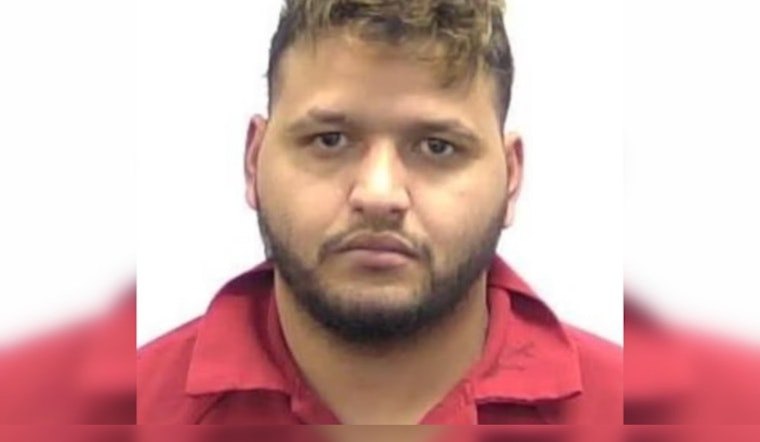
Following a consequential four-day bench trial, Jose Ibarra, the man convicted of the brutal murder of 22-year-old nursing student Laken Riley, has been sentenced to life imprisonment without the possibility of parole. According to KVUE, the Athens-Clarke County Superior Court Judge H. Patrick Haggard delivered his decision against Ibarra, 26, determining guilt on all counts following the incident that occurred on the morning of February 22, behind the intramural fields of the University of Georgia campus.
Ibarra faced an array of severe charges including malice murder, felony murder on four counts, kidnapping with bodily injury, aggravated assault with intent to rape, aggravated battery, obstruction or hindering a person making an emergency telephone call, tampering with evidence, and peeping Tom. Handing down the sentence, Haggard followed the recommendation of Prosecutor Sheila Ross, who, in a statement obtained by 11Alive, described the evidence as “overwhelming and powerful.” Despite his ruling, Haggard noted the necessity to set personal emotions aside when delivering judgment, a point brought forth during the defense's closing argument.
Riley's family attended the trial in full force, many burdened by visible grief as the verdict was announced. Her mother condemned Ibarra as a “monster” while her father labeled him a “truly evil person,” calling for the imposition of the maximum sentence. The courtroom, packed with Riley's loved ones, witnessed Ibarra’s lack of visible reaction to the proceedings as relayed by an interpreter, according to coverage by KVUE.
The case also inadvertently fed into the national immigration debate, given Ibarra's illegal entry into the U.S. in 2022 and subsequent allowance to remain in the country while his immigration status was under consideration. However, this aspect of the case was not mentioned during trial proceedings. Prosecutor Ross argued that Ibarra had targeted Riley “because she would not let him rape her,” pointing out that DNA evidence and surveillance footage corroborated the claim that Ibarra was prowling and looking for female victims on the morning of the murder. Despite this, as per information from 11Alive, defense attorneys posited that the evidence was merely circumstantial, suggesting that it did not definitively pin the crime on Ibarra, and implying that investigative gaps remained.
Riley, an Augusta University College of Nursing student, was out running on the UGA campus when she encountered Ibarra and was killed. Defense counsel Dustin Kirby, in his opening statement, acknowledged the tragedy and graphic nature of the evidence but argued against its sufficiency in proving Ibarra's guilt. Across the trajectory of the trial, the prosecution presented over a dozen witnesses, supplemented by expert testimony on the digital footprints left by both Ibarra's and Riley's mobile devices, indicating their proximity to one another at the time the crime was likely committed.




