

























































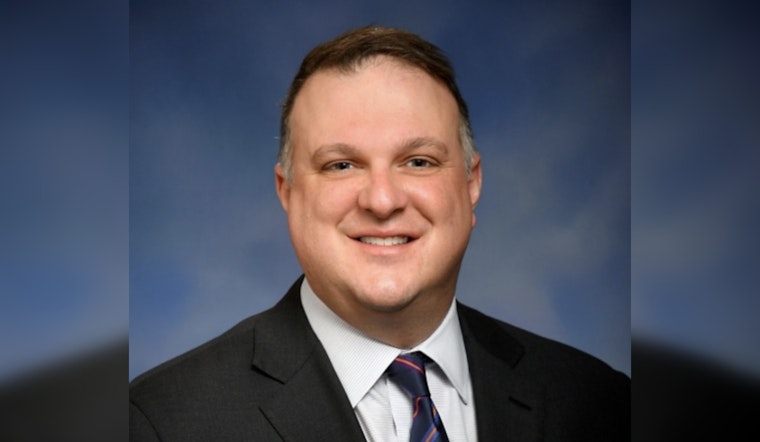
As Michigan's infrastructure remains a focal point of debate among state lawmakers, Republican House Speaker-elect Matt Hall has introduced a $2.7 billion funding proposal aimed at improving local roads and infrastructure. According to WZZM13, the plan, which will be considered when Hall assumes control of the state House in January, calls for reallocating corporate income tax revenue and includes a controversial shift from the current sales tax on fuel to an increase in the state's motor fuel tax.
Amidst concerns over how this shift could potentially affect education funding, Hall has pledged to "hold schools harmless," suggesting various methods to backfill any potential losses to school funding. This is shared by State Rep. Tom Kunse (R-Clare), who is expect to introduce the legislation, ensuring that "If there's a hole in school funding, I'll vote no on my own bill," he told WZZM13.
Meanwhile, in a statement to the Michigan Advance, Michigan Alliance for Student Opportunity Executive Director Peter Spadafore raised concerns about reshuffling education funding in the name of infrastructure improvements without a concrete plan in place: "Infrastructure and education should not be competing priorities. It is vital that Michigan does both well if we are going to attract and retain people and businesses to this state." Hall counters this concern by citing untapped areas in state and school budgets that could help effectively redirect funding to roads without harming educational initiatives.
Due to declining fuel tax revenues from the rise of more fuel-efficient vehicles, long-term solutions including a shift to a mileage-based tax system are under discussion, as mentioned by Denise Donohue, CEO of the County Road Association (CRA). "We're selling, right now in Michigan, fewer gallons of gas than any time in the last 25 years," Donohue explained to WZZM13. With Hall presenting an ambitious roadmap, Democrats have expressed a willingness to negotiate but have made it clear that any proposal that could negatively impact school funding will require careful review.
As Michigan prepares for a potential significant overhaul of its road-funding strategy, the proposal has sparked a dialogue about balancing the need for robust infrastructure support with the equally pressing demand for a well-funded education system. TBoth the public and policymakers will be closely watching as the new legislative majority works to address one of Michigan's most pressing issues, aiming to "actually get things done," as Hall put forth in a statement obtained by The Detroit News.




