

























































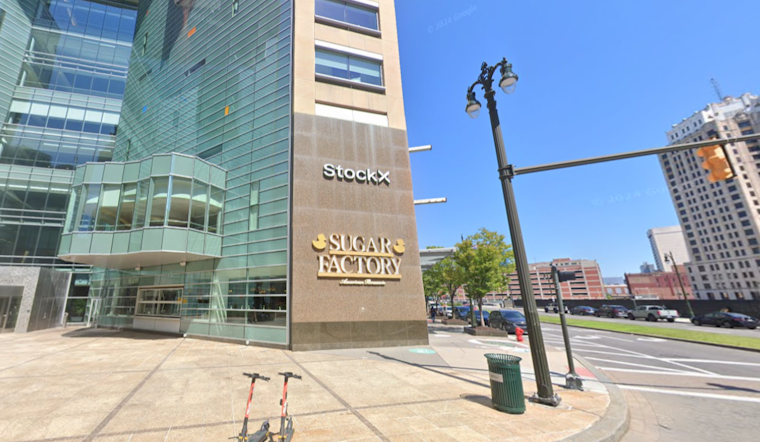
Nike is intensifying its legal battle against the Detroit-based online marketplace StockX, accusing the company of selling counterfeit sneakers, a claim that could shake consumers' trust in one of the biggest players in the sneaker resale market. According to filings unsealed this week, first reported by The Fashion Law and ClickOnDetroit, Nike's legal team is pushing for a New York federal court to grant them an early victory on willful counterfeiting and false advertising claims, pointing to StockX’s alleged admission that they marketed inauthentic footwear as 100% Authentic.
Encapsulating a rather contentious relationship, Nike's lawsuit, initially filed in February 2022 in a New York federal court, outlines that the sneaker titan is not only attacking the reseller's purported authentication process but also alleges that the authentication is merely a facade, as per the documents—this is where the company, despite knowing its shortcomings in distinguishing genuine from fake, continued to push a narrative of authenticity to gain consumer confidence. Nike has cited several specific instances, such as sneaker enthusiast Roy Kim's purchase of 62 pairs of sneakers from StockX, of which 38 were confirmed as counterfeit, echoing Nike's grave concerns about StockX’s credibility when it comes to authentication, according to a The Fashion Law report.
In sharp contrast, StockX disputes Nike's allegations, framing the litigation as counterproductive and meritless. "Nike’s claims are completely misguided," StockX issued in a statement, emphasizing their prominent role in combating counterfeiting and their significant investments into verification technologies and training. StockX also stresses that only a fraction, specifically 0.0004%, of the sneakers they processed during the litigation were in question, which stands in stark contrast with the more than $80 million in suspected counterfeit sneakers that were prevented from sale on their platform, as reported by ClickOnDetroit.
While Nike condemns StockX's inability to differentiate between authentic and counterfeit shoes and condemns what they label as "insidious" false advertising, StockX holds its ground, asserting its intent has always been to safeguard the integrity of its platform and the interests of its consumers. This legal conflict not only threatens the operational norm at StockX but also implicates broader implications for the secondary sneaker market, as consumers depend on the reliability of authenticity checks to ensure the value of their investments, as per The Fashion Law. StockX remains firm on its stance, decrying Nike's recourse to litigation over collaboration, "It’s a shame that rather than work with us to fight fakes, Nike has opted to use its resources to pursue meritless, expensive litigation," they asserted.





