

























































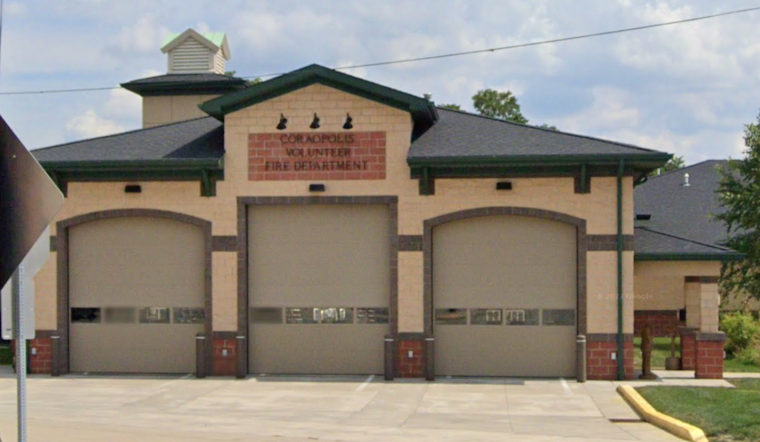
Western Pennsylvania grapples with difficult brush fires, exacerbated by a prolonged dry spell and invigorated by gusting winds. In a battle against nature's indifference, firefighters in counties like Allegheny, Butler, and Washington have been diligently pacing from one emergency to the next. According to CBS News Pittsburgh, a recent inferno consumed 7 acres in Coraopolis, igniting near Cornell School and pressing the Coraopolis Volunteer Fire Department to its limits. "It was close, it was close," Fire Chief Charles Spencer Jr. expressed the gravity of the situation. Without the support from nearly a dozen mutual aid departments, they might have witnessed a catastrophe.
Teams battled tough fires that got dangerously close to homes due to dry conditions. A fire near the Coraopolis cemetery required efforts from different areas, like Schools and Maple Streets, because there was no water supply at the high cemetery. The lack of water led to one firefighter needing to go to the hospital for dehydration, highlighting the difficult conditions they were working in.
Pennsylvania is enduring a persistent drought, with 35 counties officially declared under drought conditions. The absence of precipitation, particularly over September and October, has ignited concerns nationwide. "Pennsylvania received very little rain over September and October, capping off a dry six months, particularly in the southeast part of the state," DEP Acting Secretary Jessica Shirley stated, according to Audacy. Yet, she notes that even a rainy week might not immediately alleviate the drought status, as these declarations are based on long-term trends rather than short-lived weather patterns.
Meanwhile, the state's Department of Environmental Protection suggests water conservation measures, including skipping car washes and reducing the frequency of dishwasher and washing machine use, to mitigate the risk and manage water scarcity effectively.





