

























































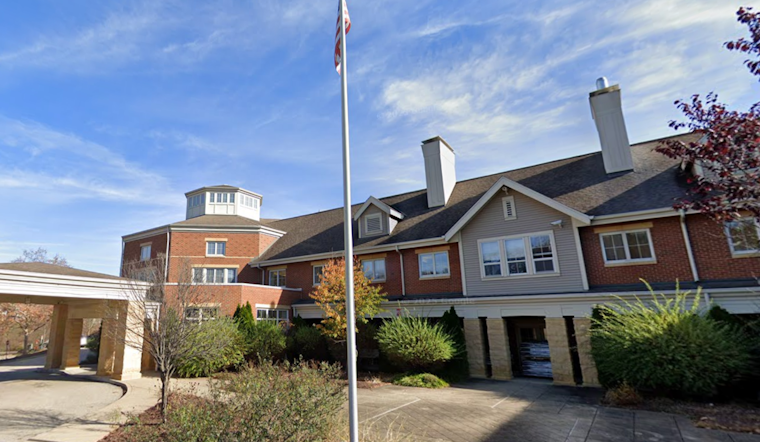
Caregivers looking after loved ones with dementia in Pittsburgh now have a new federal tool to lean on, and it is already showing up at a day center in Squirrel Hill. The Anathan Club, run by the Jewish Association on Aging, has begun connecting families to the Guiding an Improved Dementia Experience Model, a Medicare program that can cover up to $2,500 a year in respite care for qualifying beneficiaries.
The Jewish Association on Aging invited WTAE to visit the Anathan Club day center, where staff showed off new technology and approaches now available to members and their caregivers. The center, according to the station's report, costs $90 a day, though the nonprofit does offer some scholarship opportunities for families who need them. WTAE anchor Shannon Perrine reported on the visit and the broader rollout of the federal model in Pittsburgh.
The Guiding an Improved Dementia Experience Model, known as GUIDE, was developed by the Centers for Medicare and Medicaid Services and launched nationwide on July 1, 2024, as an eight-year voluntary pilot running through June 30, 2032, according to CMS. Nearly 390 provider organizations across the country are participating. The model traces back to an April 2023 executive order on caregiving support and was built to align with the federal National Plan to Address Alzheimer's Disease, per the same agency.
What the GUIDE Model Actually Covers
Per the station's report, GUIDE supports Medicare beneficiaries living with dementia and their unpaid caregivers through several layers of assistance. That includes care navigation, caregiver education, support groups, and skills training, along with a dedicated staffer to coordinate medical appointments, manage symptoms, and connect caregivers to resources. The model also includes social-needs screening for housing, food, and transportation needs, which connects caregivers with community organizations, and 24-7 telephone support for urgent questions and crises.
The respite care piece is what got attention at the Anathan Club: it offers financial coverage for temporary relief care, letting exhausted caregivers use adult day services or in-home aides for a break. CMS caps that respite benefit at up to $2,500 annually per beneficiary, and the model limits respite care coverage overall, according to the agency. The goal, per CMS, is to reduce caregiver burnout while helping families avoid or delay costly nursing home placement.
Eligibility is narrow. To qualify, a person must have Traditional Medicare Parts A and B as their primary payer and a confirmed dementia diagnosis from a participating GUIDE clinician, and must be living in a private home, apartment, qualifying residential care community, or assisted living, per WTAE's reporting. People enrolled in Medicare Advantage, a Special Needs Plan, or PACE are not eligible for GUIDE enrollment, nor are those using the Medicare hospice benefit or residents of long-term nursing homes.
A Neurologist on the Slow Fight Against Dementia
Dr. Barbara McManus, a board-certified neurologist specializing in behavioral neurology and dementia at Allegheny Health Network's Neuroscience Institute, told WTAE that dementia remains a difficult disease to address because it involves many different mechanisms. Still, she said progress in dementia care is slow but that steps are being made in the right direction. McManus practices out of West Penn Hospital and on Liberty Avenue in Pittsburgh, where she evaluates and treats Alzheimer's patients while participating in clinical research.
The Jewish Association on Aging, based in Squirrel Hill, also offers residential memory care beyond the Anathan Club day program, including facilities built specifically for people with advanced cognitive decline. The organization maintains a Benevolent Care Fund, supported by community grants, to subsidize adult day care and elder services for clients regardless of their ability to pay, according to The Pittsburgh Foundation.
Why Allegheny County Needs This Now
The stakes are especially high locally. More than 21% of Allegheny County's 1.23 million residents are 65 or older, making it one of the oldest major county populations in the country, and roughly 12% of those seniors carry an Alzheimer's diagnosis, according to the Allegheny County Health Department. The county ranks as the second-oldest metropolitan region in the nation behind Palm Beach, Florida.
Statewide, the numbers underscore just how much weight falls on family members. Data released in April 2025 showed that 282,100 Pennsylvania adults aged 65 and older were living with Alzheimer's disease, supported by 470,000 unpaid family caregivers who logged 831 million hours of care valued at $15.9 billion, according to the Alzheimer's Association. Nationally, an estimated 7.4 million Americans aged 65 and older are living with clinical Alzheimer's dementia, with total health and long-term care payments for dementia reaching $409 billion a year, per the same organization's April 2026 projections.
Regional public health efforts are also expanding alongside programs like GUIDE. In February 2026, the CDC renewed its Building Our Largest Dementia Infrastructure grant with the Allegheny County Health Department, strengthening partnerships aimed at early detection and caregiver resources across the Pittsburgh area, according to the Jewish Healthcare Foundation. The local BOLD coalition includes groups like Dementia Friends Pennsylvania and Age-Friendly Greater Pittsburgh.
Even with those investments, the open question for many families is whether a $2,500 annual respite cap goes far enough for caregivers managing years of late-stage cognitive decline. For now, the Anathan Club and the GUIDE Model represent one more option for Pittsburghers with loved ones facing memory disorders as they try to navigate what remains, by every measure in the data, a long and costly road.





