

























































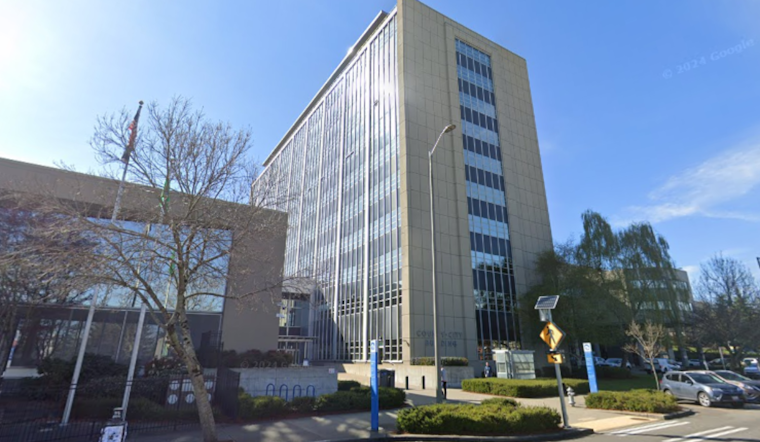
To combat the devastating impacts of opioid misuse, Pierce County Human Services (PCHS) has secured a significant grant to take substance abuse treatment to the streets. Announcing their receipt of a $1.6 million grant from the U.S. Department of Justice's Comprehensive Opioid, Stimulant, and Substance Use Site-Based Program (COSSUP), PCHS plans to deploy a mobile opioid treatment service across the region. This initiative aims to provide accessible medical and counseling services to residents grappling with opioid use disorder (OUD), especially in areas where traditional health services are hard to reach.
The proliferation of opioid abuse has taken a harsh toll on Pierce County, with overdoses becoming the number-one killer since 2020. With the reported 220% rise in opioid-related deaths and a 174% increase in all drug overdose fatalities since 2016, the area is in dire need of enhanced treatment options. Emergency response to overdoses has also surged in recent years, leading community leaders to seek innovative solutions like this mobile program to lower those numbers.
The mobile outreach and treatment vehicle is set to be a one-stop-shop for those suffering from OUD, offering various services from medication-assisted treatment (MAT) to telehealth. This rolling clinic will target suburban and rural parts of Pierce County, where residents face challenges reaching existing Tacoma-centric treatment facilities. The goal, as stated by PCHS, is to improve adherence to treatment plans and, by doing so, reduce the number of overdoses and related deaths in these underserved areas.
"The effects of opioids on our community have been devastating," Heather Moss, director of Pierce County Human Services, shared in a statement emphasizing the significance of the program. The launch of the mobile unit is expected not just to bring down overdose numbers but also to chip away at the broader fentanyl crisis through improved access to life-saving treatments. Pierce County's Behavioral Health Improvement Plan has labeled rural and community-based services as essential, and the introduction of the mobile outreach initiative marks a significant step toward meeting these critical needs.
Community members are encouraged to visit Pierce County Behavioral Health for more information about local efforts to fight the opioid epidemic and the services offered by PCHS.





