

























































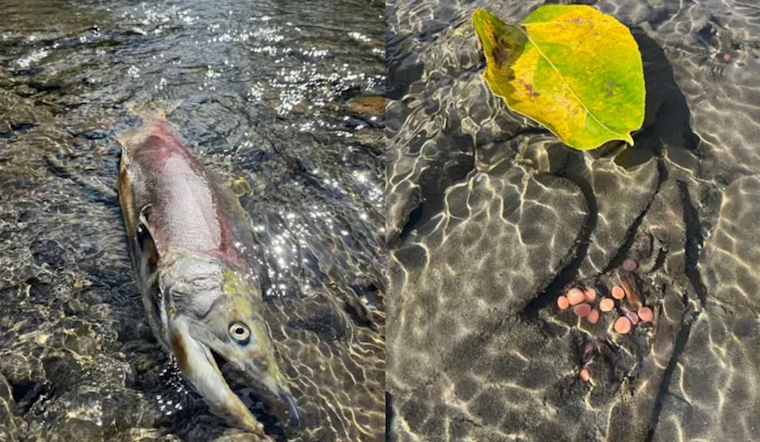
In a stellar turn of events for the salmon population in North Central Washington, the sockeye has surged back in record-breaking numbers. According to the Washington Department of Fish and Wildlife, this year's count at Tumwater Dam on the Wenatchee River tallied a phenomenal 190,117 sockeye, a significant leap over the previous record of 116,394 fish set two years prior.
Noting the sharp increase from the mere 1,172 fish recorded in 1999 when the Chelan Public Utility District began keeping track, this season's sockeye run nearly doubled the preseason forecast of 97,000. Found at the confluence where the Wenatchee River nudges against the Pacific, the counts at Bonneville Dam also reached new heights with 755,203 fish, as "The strong sockeye returns have allowed for increased fishing opportunities," told Chad Jackson, WDFW’s North Central Region fish program manager, to the medium.
Furthermore, the local ecology has reaped benefits from improved river conditions and targeted habitat restoration efforts, especially along the White River, an alpine watercourse vital to sockeye replication. With 2024's promises fulfilled through robust returns, conservationists are hailing the environmental strategies as a success, given the critical need to sustain these ecosystems for sockeye future generations.
While the sport of fishing has had a boon with these numbers, it comes with a caveat as Chinook season on the Wenatchee remained closed due to lower than anticipated returns, impacting both hatchery and natural-origin king salmon’s capability of meeting broodstock as well as escapement goals. In early August, an impressive figure of over 175,000 sockeye at Tumwater Dam was recorded, besting the previous high from 2022 by nearly 26,000 fish, indicating the tenacity of the species, despite the high fish caught in fisheries that sockeye must continually navigate.
Mirroring the success of the Wenatchee watershed’s escapement figures, the Lower Columbia River's Bonneville Dam sockeye count also set a record. Contributing factors are believed to include high river flows and favorable ocean conditions that juveniles experienced, aiding their survival through reduced predation and rapid ocean migration. However, challenges persist as river temperature increases pose potential threats to sustaining these improved numbers, especially in tributaries like the Okanogan River, making longstanding adaptive management strategies more crucial than ever. For resources detailing fisheries management, interested parties are directed to learn more on the WDFW webpage.





