

























































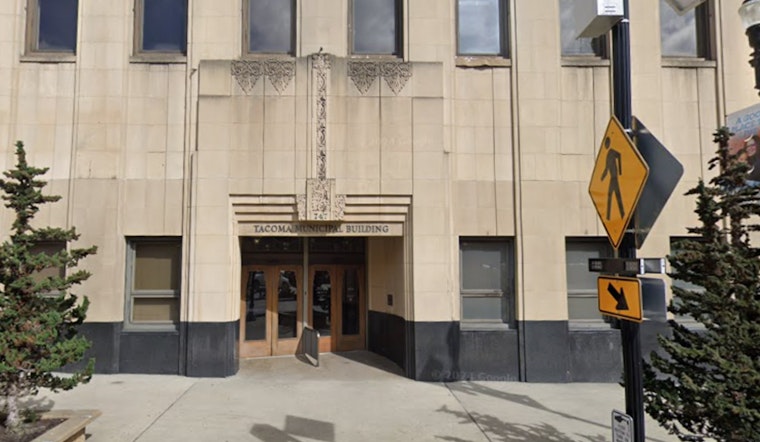
In a unanimous vote, the Tacoma City Council has sealed the deal on the Home in Tacoma zoning and standards package, reshaping the city's approach to housing development. Aimed to tackle issues of affordability and sustainability, these new measures are expected to diversify the types of homes available in the city by introducing Urban Residential zones. With these zones in place, developers will be able to construct multifamily units, townhomes, and the often discussed accessory dwelling units, potentially easing the pressure on Tacoma's growing housing demands. "The historic passage of the Home in Tacoma initiative is a transformative step for our city," Mayor Victoria Woodards said, according to the City of Tacoma.
Expected to officially kick in by February 2025, the council has worked to ensure the package reflects extensive community feedback. It aims to strategically increase housing unit density and streamline development by modifying certain building prerequisites. Additionally, there's been an effort to strike a balance when it comes to Tacoma’s tree canopy; new developments will include tree planting, meshing with citywide efforts to preserve green spaces. However, Deputy Mayor John Hines told the local press, to truly ensure that the city moves in the right direction, “we need to make sure that the families who have lived here for generations are able to stay here if they want to do so," as reported by the City of Tacoma.
To navigate the updated zoning laws, Tacoma's Planning and Development Services Department will launch a pre-development pilot program from December 1, to January 31, 2025. This will offer guidance and incentive for developers who swiftly adapt their projects to the new regulations. Details of the zoning package, along with interactive maps and documentation, are available on the City of Tacoma website.
Feedback from the council has been largely positive, with members highlighting the initiative's potential for transformation. District 2 Council Member Sarah Rumbaugh emphasized the environmental aspects, saying, “I am most proud of the work to balance growth and development with critical community assets like trees,” as detailed by the City of Tacoma. Yet, concerns do linger, particularly when it comes to the actual affordability of new housing and the environmental impacts of increased density. District 3's Council Member Jamika Scott expressed her worries, stating to local media outlets, “We cannot have both a robust tree canopy and greater housing density, and I have concerns that Home in Tacoma prioritizes density above trees.” She vowed to closely monitor the implementation to ensure it truly benefits the local community.




