

























































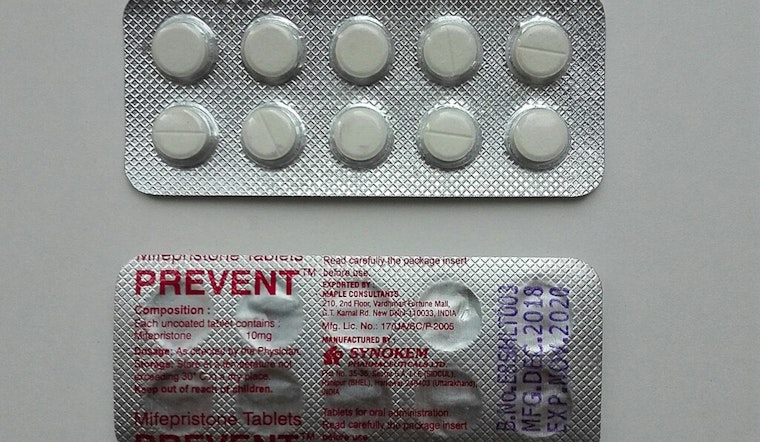
In a move that echoes recent legislation from neighboring Louisiana, Texas Rep. Pat Curry, a Republican from Waco, has introduced a bill aiming to reclassify common abortion-inducing drugs as controlled substances. According to KVUE, the proposed House Bill 1339 seeks to crack down on access to mifepristone and misoprostol, particularly for teenagers seeking to terminate pregnancies via online orders. Critics argue that this measure, similar to the one in Louisiana that has already been implemented, has done less to enforce the state's strict abortion laws and more to stir fear and confusion among healthcare providers and patients.
Dr. Nicole Freehill, an OB/GYN from New Orleans, expressed her frustrations in an interview with the KVUE: "There’s no sense in it. Even though we kept trying to tell them how often [these medications] are used for other things and how safe they are, it didn’t matter. It’s just a backdoor way of restricting abortion more." Obstetricians rely on these drugs not just for abortions, but for treatment after miscarriages and to prevent life-threatening conditions such as obstetric hemorrhages. Louisiana's hospitals have been forced to remove these drugs from easily accessible emergency areas, causing critical delays in patient care.
Meanwhile, supporters like Rep. Curry argue that these regulations won't halt the necessary medical use of these drugs but will put a stop to their "wide misuse." However, healthcare professionals are concerned about the potential impact on their ability to provide prompt and essential care. Dr. Stella Dantas, president of the American College of Obstetrics and Gynecologists, highlighted the potential dangers, stating, "In obstetrics and gynecology, minutes or even seconds can be the difference between life and death," in a statement obtained by the KVUE.
Curry also referred to the consultation process for the bill, citing discussions with the author of Louisiana's legislation and Texas OB/GYNs. Nevertheless, Freehill argues these are "smokescreen" tactics because some doctors wish to avoid more restrictions, according to KHOU. Meanwhile, health care providers in Louisiana have filed a lawsuit, indicating that the legal battle over this contentious issue is far from over, with allegations that the laws discriminate against people requiring these medicines for purposes other than abortion.
The Texas bill draws inspiration from a well-publicized case where Houston attorney Mason Herring was charged after using misoprostol without consent on his then-pregnant wife. It was Herring's case that motivated his brother-in-law, Louisiana state Rep. Thomas Pressly, to push for stricter controls on abortion-inducing medications. As similar proposals spread, with Texas possibly following Louisiana's example, there is a growing alarm within the medical community about the implications for both women's healthcare rights and for professional practice in gynecology and obstetrics.





