

























































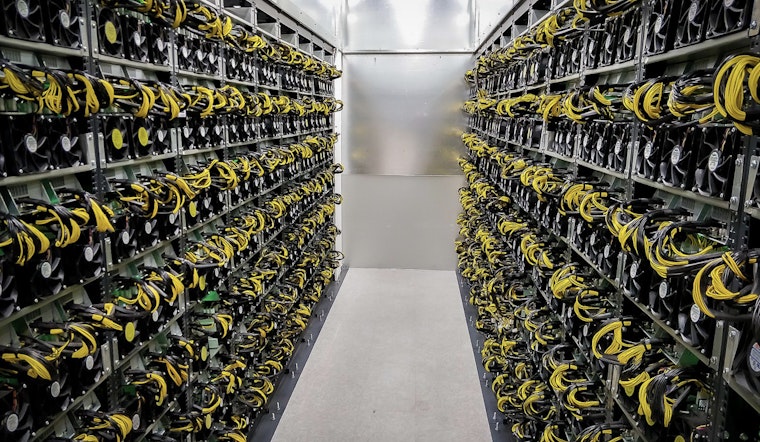
In a move to streamline the immense energy consumption by cryptocurrency miners, Texas regulators have set forth new requirements. The Public Utilities Commission of Texas (PUCT) has adopted a rule that calls for all virtual currency mining facilities operating on the Electric Reliability Council of Texas (ERCOT) grid to be registered. Chron reports that the facilities must provide fundamental details such as their location, ownership information, and their electrical demand data.
This regulation arrives on the backdrop of growing energy concerns as Texas becomes a hub for Bitcoin mining operations, following a ban in China. Facilities have to register just one business day after connecting to the ERCOT grid and must renew their registration annually by March 1. According to ChainCatcher news, PUCT Chairman Thomas Gleeson explained the rationale behind the measure, stating: "To ensure the reliability of the ERCOT grid and meet the electricity needs of all Texans, PUCT and ERCOT need to understand the location and power requirements of virtual currency miners."
ERCOT, which oversees the majority of Texas's electric system, plays a critical role in maintaining power stability and supply across the state. The influx of energy-intensive crypto mining operations has raised concerns about the grid's capacity to sustain other essential services and consumer power requirements. As per Chron, the PUCT's regulations strive to balance the energy demand with available supply, with an aim to preempt disruptions or outages.
Noncompliant facilities risk facing significant fines for flouting the new registration rule. Facilities that fail to register under the PUC rule will face a Class A violation and could be penalized up to $25,000 per day, according to Chairman Gleeson in a statement obtained by Chron. This regulatory step is a clear signal that while the state of Texas recognizes the economic potential of cryptocurrency mining, it is equally committed to securing the electrical grid against the increased load demands these operations entail.



