

























































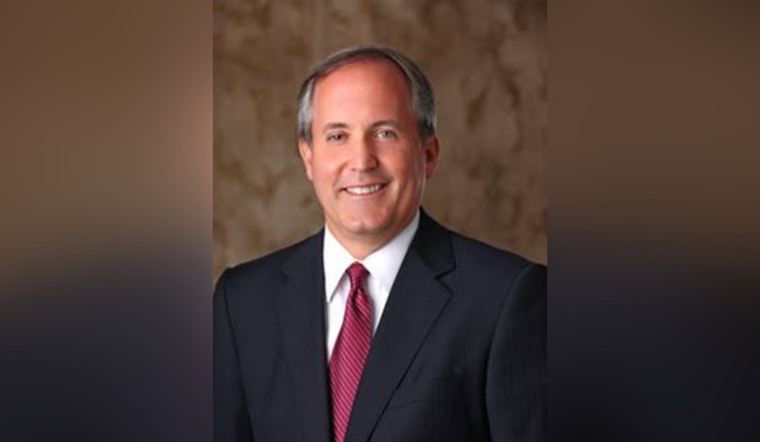
In a decisive ruling by the Texas Supreme Court, Attorney General Ken Paxton has thwarted efforts from certain lawmakers and activists to delay the execution of Robert Roberson, who was convicted of the 2002 murder of his two-year-old daughter. The execution, which was scheduled for October 2024, had been the focus of an unconventional legal scuffle that brought into question the balance of legislative power versus judicial authority in Texas.
As reported by the Office of the Attorney General, members of the Texas House Committee issued a subpoena for Roberson to testify after his scheduled execution, in a maneuver seen by critics as a means to obstruct the legal process. The Texas Supreme Court has clarified that "Legislative investigatory power, even at its maximum, is insufficient to forestall a long-scheduled execution under the circumstances presented here."
Attorney General Ken Paxton celebrated the court's decision, underscoring his office's dedication to upholding what he perceives as the sanctity of the law and the righteous delivery of justice. "The rule of law prevailed against bad-faith political actors who schemed to undermine the justice system in Texas," Paxton stated. He invoked the memory of the victim, Nikki, and affirmed a commitment to ensuring justice for her, as per the Office of the Attorney General report.
Adding complication to the case, Representative Jeff Leach, chairman of the House Committee on Judiciary and Civil Jurisprudence, confessed to attempts at influencing the judicial process through improper channels. After the subpoena trouble, he admitted sending "ex parte" communications in a bid to sway the judgement of a Court of Criminal Appeals judge. This confession came while the litigation was actively before the courts, casting a shadow on the proceedings and deepening the controversy surrounding the separation of powers in Texas governance.



