

























































The Wisconsin Department of Natural Resources (DNR) is calling on the public to assist in their ongoing research by reporting black bear den locations across the state. In a study aimed at understanding black bear reproduction, the DNR's Black Bear Litter and Diet Survey is set to enter its fourth year, as noted in a recent announcement. This research is vital for improving population models used across different bear management zones, particularly zones C, D, and E, which cover central and western Wisconsin.
To assist with the accuracy of said models, the DNR is interested in den reports statewide, albeit they have expressed a particular need for more data from central and western regions of Wisconsin. "It is important for the study that we get collars out in each of the bear management zones," Dr. Jennifer Price Tack, a DNR large carnivore and elk research scientist stated in the release. Insights gleaned from this research will not only shed light on reproductive rates but also explore the impact of bear diets—especially their consumption of human food sources—on cub survival rates and litter sizes.
Encouraging public participation, the DNR advises people to report any sightings of occupied black bear dens. The information deemed most helpful includes GPS coordinates, photos of the den from a safe distance, a description of the site, and any notes on bear activity. While the project values each report, the team may prioritize dens that are confirmed to be currently occupied.
Researchers who visit these dens gather essential biological data including the bears' sex, age, weight, and body measurements. Mother bears, referred to as sows, are equipped with GPS collars—an integral part of the data collection process. Such collars play a crucial role in monitoring foraging behaviors and tracking the sow’s location in subsequent years, allowing for an assessment of her reproductive success over time.
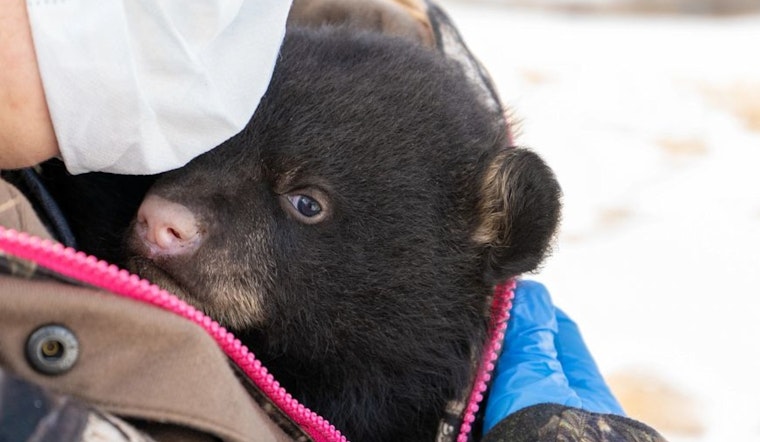
During this careful process, bear health and welfare remain the research team's primary concern. They ensure the monitoring of vital signs while data is quickly gathered. With minimal interference to their natural habitat, cubs present at the den are weighed, sexed, and kept warm, while mother bears are fitted with GPS collars before being returned to their dens. This meticulous process was recently featured in an episode of PBS Wisconsin's "Wisconsin Life" series, as mentioned by Wisconsin DNR.





