

























































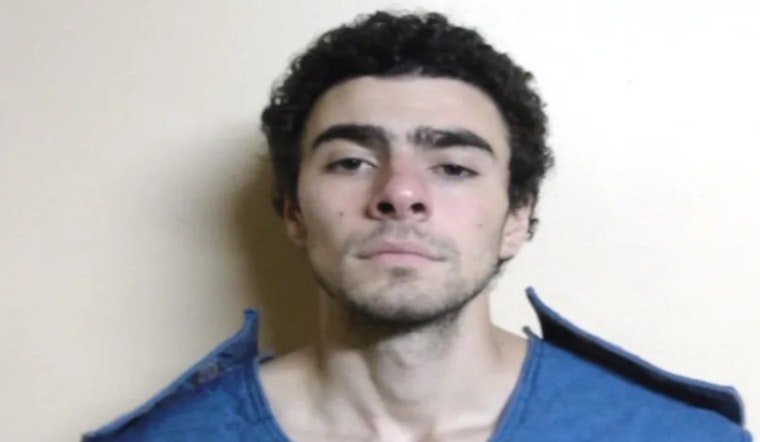
Luigi Mangione, the 26-year-old accused of killing UnitedHealthcare CEO Brian Thompson outside a Midtown Manhattan hotel last Wednesday, December 4, may no longer resist extradition to New York. Manhattan District Attorney Alvin Bragg reportedly indicated that Mangione is considering waiving his right to fight the extradition, with a court proceeding in Pennsylvania, where Mangione is currently held, to finalize the decision set for Tuesday.
According to CBS News, Mangione, who was captured on Monday at a McDonald's in Altoona, Pennsylvania, after an employee tip-off, faces several charges, including forgery and possession of the alleged 3D-printed murder weapon. New York Governor Kathy Hochul plans to promptly issue a warrant for his extradition, awaiting Pennsylvania Governor Josh Shapiro’s signature to proceed.
The case against Mangione seems robust with evidence linking him to the crime reportedly compelling. Police found fingerprints and surveillance footage pinpointing Mangione at the scene. "This case as it's been made public so far is a very solid case," Rich Esposito, a CBS News law enforcement contributor, stated. Sources also revealed that authorities matched the firearm found with Mangione to shell casings at the crime scene, and handwritten notes expressing animosity towards the healthcare industry were also discovered.
Defense strategies for Mangione have been debated with veteran attorneys suggesting that an 'extreme emotional disturbance' defense might be his singular viable option in court. "He has one and only one viable defense and that is extreme emotional disturbance," Ron Kuby, a seasoned criminal defense lawyer known for civil rights cases, told The Guardian. This tactic would aim to demonstrate Mangione's mental state during the crime, potentially reducing the charge from murder to first-degree manslaughter.
So far, Mangione's Pennsylvania attorney has not commented on the extradition possibility, while his mental fitness to stand trial remains another factor that could influence proceedings. "Based on what I’ve heard so far, it sounds like this was someone who was at least mentally healthy for some period of time … and then something broke," Julie Rendelman, a New York City defense attorney, speculated as per The Guardian. New York courts will likely consider Mangione's mental state assessment crucial in assessing competency for trial.
As the legal wheels turn, the NYPD and FBI continue their investigation, trying to piece together Mangione’s actions before and following the murder, including his means of fleeing New York City. With UnitedHealthcare confirming Mangione was not a client, investigators seem to be considering the enormity and visibility of the company as a potential motive for the target selection. Meanwhile, internal memos from within UnitedHealthcare reflect a resolve to continue striving towards improving healthcare, honoring the memory of their late CEO, as detailed by UnitedHealth Group CEO Andrew Witty.





