

























































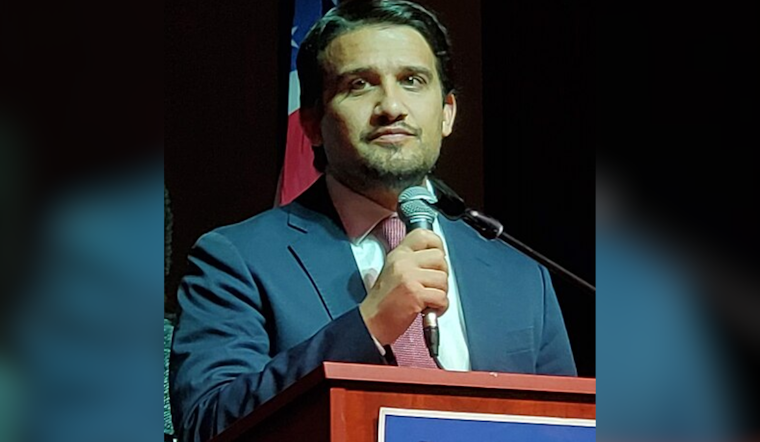
Akron is setting the stage to thoroughly evaluate its police use of force policies under the guidance of former United States Attorney General Loretta Lynch and the expertise of law firm Paul Weiss, paired with policing consulting organization 21 CP Solutions. Starting with the proposed legislation on December 16, the review aims to scrutinize the Akron Police Department’s practices, strategies, and community relations with an expected timeframe of five to six months to complete. This move, as Mayor Shammas Malik put forward, is not only to overhaul policy but also to involve the residents, ensuring voices from every quarter are considered, as reported by the City of Akron's official news release.
Lynch’s team must carefully balance reviewing current procedures and probing into prior incidents to gain context without initiating investigations into specific events or officers. The assessment will also encompass research into past reports, such as the Police Executive Research Forum’s 2011 findings and additional city reports on racial equity, aiming to uncover potential disparities or systemic issues impacting the community. Furthermore, on the community front, the initiative plans to actively engage many stakeholders through public roundtables and more intimate listening sessions, outlets have reported.
In a statement obtained by the City of Akron's official news release, Police Chief Brian Harding expressed his anticipation for the review, welcoming the forthcoming dialogue and expressing readiness to incorporate any resulting recommendations. His sentiment appears to echo the constructive stance of other key city figures, such as Council President Margo Sommerville and Ward 4 Councilmember Jan Davis, who highlighted the importance of community involvement in shaping the future of policing in Akron.
This initiative seems to be met with an open attitude from various corners of the city's policing ecosystem. Kemp Boyd, the Chair of the Citizens’ Police Oversight Board, noted the significant opportunity for introspection and reform presented by the review. Similarly, Brian Lucey, president of the Akron Fraternal Order of Police, emphasized the union's readiness to partake in and contribute to the conversation, signaling an apparent unified front poised to eagerly take on the task of redefining the parameters of law enforcement in Akron – or at least as depicted in the optimistic tones shared by city leadership.





