

























































The state of Arizona is grappling with a severe literacy crisis among its youth, prompting concerns about the future academic success and overall well-being of its students. According to the Phoenix New Times, just 41% of Arizona's third-grade public school and charter students read at their grade level, trailing behind the national average by a staggering 26%. The implications of this gap are profound, with literacy rates at this age being able to predict future success.
The reasons behind these troubling figures are complex, yet they seem to largely center around one key issue: a lack of resources. Arizona's policies have been scrutinized for not providing adequate support for literacy programs within public schools. Samantha Hounihan, a biology teacher from Cactus High School in Peoria, has to often pivot her science lessons into vocabulary ones because students "to not know basic vocabulary words," she told the Phoenix New Times. The issue of understaffing is also critical; the state has a significant shortage of teachers, with a quarter of teaching positions vacant, according to the Arizona School Personnel Administrators Association.
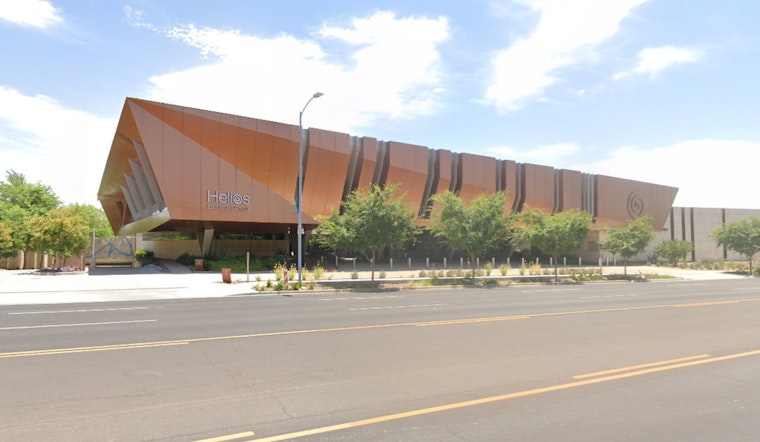
In light of this dire literacy situation, Read Better Be Better, a nonprofit organization focused on addressing the literacy crisis, has pledged to combat the shortfall. The organization was awarded a $1.5 million grant by the Helios Education Foundation to expand its afterschool literacy programs and build a pipeline of future educators. This initiative is particularly targeted at students from second to fourth grade, offering one-on-one reading sessions with middle and high school students to bolster reading comprehension.
The generous grant, Read Better Be Better "Grant gives us an exciting opportunity to not only expand our programs to include earlier intervention in the K-1 grades but also to help support middle and high school students interested in becoming educators and leaders in their communities," according to Sophie Allen-Etchart, founder and CEO of the organization. The funding arrives during a time when early literacy intervention is proven to be imperative, as evidenced by recent data revealing only 27% of students from low-income backgrounds and 30% of Latino students scored proficient or highly proficient on the AzM2 English language arts assessment.
Paul J. Luna, president, and CEO of Helios Education Foundation, acknowledging the uphill battle, stated, "We have a long way to go to reach our statewide goal to have 72% of third graders reading at grade level by 2030." It is this very challenge that drives the foundation's investment in programs like those offered by Read Better Be Better which, since 2014, has served over 13,000 Arizona students and currently provides programming to 99 schools across 11 school districts.





