

























































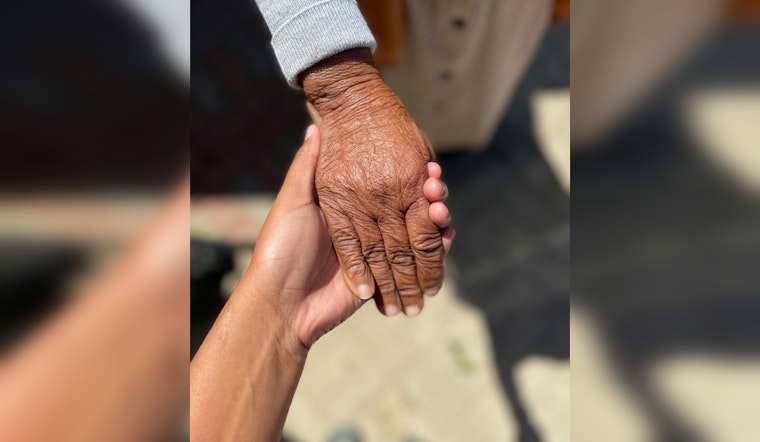
In the ongoing fight against ALS, the Gilbert family of Arizona exemplifies resilience and the transformative power of caregiving. Maya Carter, devoted wife and caregiver to her husband Maceo, has stood steadfast by his side through his eight-year battle with the progressive neurodegenerative disease. Despite the challenges of ALS, which has robbed Maceo of basic motor functions, the couple focuses on what they can achieve together. "I can’t raise my arms, I can’t ball my fists. I can't just stand up and give [Maya] a hug, we can't just walk and hold hands," Maceo shared in an interview with ABC 15. Yet, he defies the disease’s constraints, working full-time using voice-command software and engaging in activities like horseback riding and water tubing while advocating for policy reforms such as addressing airline mishandling of motorized wheelchairs.
Maya’s commitment reflects the experience of an estimated 43.5 million unpaid caregivers in the U.S., predominantly women (65%), as reported by the National Alliance for Caregiving and AARP. These individuals often provide extensive personal care for loved ones, with services valued at $470 billion in 2013, surpassing Medicaid expenditures and paid home care. For Maya, caregiving transcends obligation, as she shared with ABC 15: “I don’t look at it as something I’m obliged to do, or look at caregiving as a job. I look at it as I’m just taking care of my husband.”
While caregiving demographics are shifting, with men now representing 40% of caregivers and societal norms evolving, women like Maya continue to lead the way.





