

























































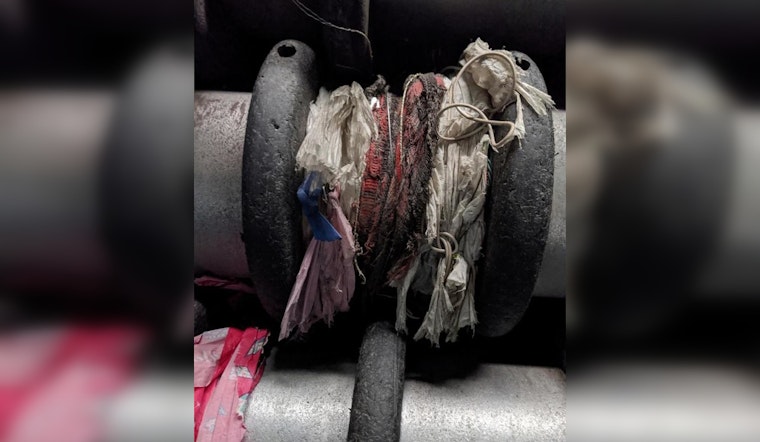
In an ongoing effort to improve recycling practices, the City of Austin is addressing a persistent challenge at its facilities: the issue of "tanglers." These problematic items, including plastic bags and garden hoses, become ensnared in the gears of recycling machinery, causing operational inefficiencies and even shutdowns, as reported by the City of Austin's official blog. With 20 percent of material in the city's blue recycling carts deemed non-recyclable due to contamination, finding a solution to this entangled dilemma is critical.
At the heart of the contamination issue, tanglers physically obstruct the sorting machines, which are designed to manage a high throughput of recyclable materials. As per the city's blog, one of the largest contaminants is plastic bags, along with other pliable items that easily wind around the moving parts of machines. Identifying these items before they enter the blue recycling carts is a simple step that citizens can take to cut down on operational interruptions at the recycling facility.
The city's advice to residents is clear: any item that could potentially wrap around gears should be kept out of the blue recycling cart. This includes plastic film, garden hoses, strings of lights, and electrical cords. Rope and textiles should also be excluded. The blog specifies that many of these items can find new life or proper disposal through alternative channels, such as local retailers, the Austin Reuse Directory, and the Recycle & Reuse Drop-off Center.
For instance, dedicated recycling centers are available for strings of lights and electrical cords, which shouldn't be tossed in with more straightforward recyclables. The same goes for clothing and textiles, which the Austin Reuse Directory can help residents find a local organization for reuse, as highlighted by the city's resourceful initiative. And when it comes to plastic bags, a frequently asked question by many, they can be taken back to some stores for a specialized recycling process, avoiding causing operational delays at the sorting facility with their pesky presence.
Austin officials hope that by spreading awareness and providing clear instructions on how to deal with tanglers, the rate of recycling contamination will notably decrease. The result may not only be smoother operations at the facility but also an advancement in Austin's overall environmental initiatives. As the city continues to advocate for responsible waste management, the residents' role in recognizing and redirecting tanglers is an integral piece of the puzzle.




