

























































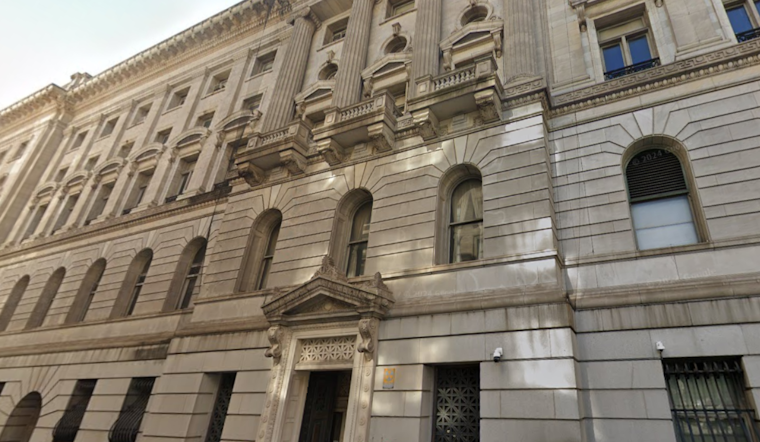
Baltimore's trinity of courthouses on East Fayette Street, Clarence M. Mitchell Jr., and Elijah Cummings reopened Thursday after a week-long closure prompted by the detection of elevated levels of Legionella bacteria in the water supply. According to CBS News Baltimore, last week's round of water quality tests spurred city officials to promptly recommend the shutdown as a protective measure.
While the bacteria's presence has the potential to significantly impact health, leading to Legionnaires' disease or Pontiac fever, the reopening suggests a level of confidence in the remediation efforts. Xavier Conaway, Baltimore City Circuit Clerk, said the decision to close on Friday was not mandated but a choice to proactively ensure safety. Despite the risks, visitors and employees can, according to city officials, resume their courthouse activities safely.
The reaction to the water test findings was immediate. WBAL-TV reported that the state's Department of General Services established a remedial plan on December 20th. This plan involved flushing the courthouse's water systems and treating them with chlorine, which is standard procedure in such situations.
It seems that the water scare in Baltimore is not an isolated incident. Last month, four state office buildings at the State Center also closed to contend with Legionella concerns similarly. The response from workers and the public was a mix of caution and skepticism – some still refusing to drink the water upon their return to the courts despite the all-clear. "The water fountains are still taped up, so I would imagine that they don't want people drinking the water," Ed Hershon stated, as per WBAL-TV. Deborah Ragin added to the sentiment after noticing signs advising against fountains, indicating a residual wariness among courthouse visitors.
Patrick Moran, president of AFSCME Maryland, representing the workers in the affected buildings, conveyed concern over the need for proper resources to manage related health risks. "Either close the building down or, if they're going to do something like that, they need to provide people every single other piece of equipment, resources or whatever it might be in order to deal with the situation and mitigate the problem," Moran explained in an interview, according to WBAL-TV. While the results from the most recent water tests at other facilities, including Abel Wolman and Benton buildings and city hall, are anticipated, the Baltimore City Health Department has yet to report any confirmed cases of Legionnaires' disease following the incident.




