

























































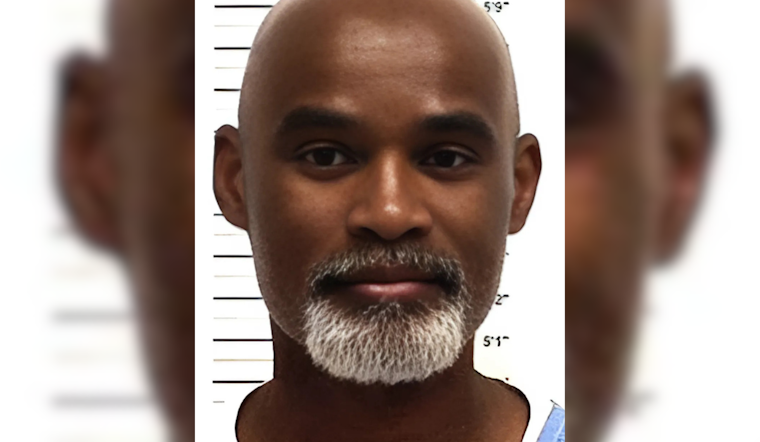
Alvin Ray Quarles, known as the "bolder-than-most" rapist, has been ordered to be conditionally released to a non-fixed residence in Campo, as San Diego Superior Court Judge Marian Gaston ruled on Thursday. Quarles, 62, who was convicted for a series of rapes in the 1980s, has completed a prison term of 25 years and approximately another decade in sex offender treatment at Coalinga State Hospital. According to NBC San Diego, his release includes stringent surveillance conditions such as 24/7 GPS monitoring and continuous presence of security personnel or law enforcement.
The decision to release Quarles, an individual classified as a sexually violent predator (SVP), reflects the conditional release program's criteria for offenders diagnosed with mental disorders that determine a likelihood to re-offend. This process often entails petitioning courts to continue treatment in outpatient settings. Despite these restrictions, the public concern remains palpable. Stephen Taylor, husband to one of Quarles' victims, expressed to the Times of San Diego, "Despite him being older now, I think the potential is still there that he can perpetrate (more crimes)." Further exacerbating public dissent, San Diego County Supervisor Jim Desmond requested Quarles to remain confined, stating to the court, "Releasing Mr. Quarles into our community – even under supervision – places residents in danger and disregards the trauma still endured by his victims."
The complexity of finding appropriate housing for SVPs like Quarles has been highlighted by a recent state audit, which pointed out it can take an average of 19 months to locate suitable housing for such individuals in San Diego County. Liberty Healthcare, which operates the state's conditional release program for SVPs, continues its search for a fixed residence for Quarles. Meanwhile, Merle Wakefield, another individual with the SVP designation, has faced similar challenges; he was released to a temporary home in Jacumba Hot Springs after a four-year futile attempt to secure permanent housing.
Amidst this controversy, the voices of victims and advocates have been strong and unwavering. Terri Larson, a friend of one of Quarles' victims and a member of the citizens group Your Voice Has Power, was quoted by the Times of San Diego calling Quarles "a monster." The legal procedures, aiming to reintegrate these individuals into society while protecting community safety safely, have nonetheless left some, like Mary Taylor, feeling deprived of transparency. She told Hoodline, "They (the court and legal representatives) say, 'Okay, here’s a decision we made based on all the great information we just got that you didn’t get to hear.'" Quarles' and Wakefield’s cases, as they unfold, serve to highlight the ongoing tension between an individual’s right to integration after serving their sentence and society's collective right to security.




