

























































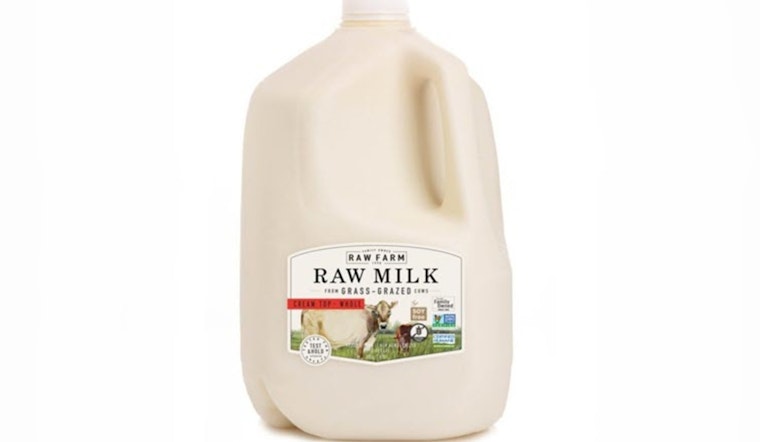
Californians are being urged to steer clear of Raw Farm, LLC's raw milk and cream products due to a widespread voluntary recall sparked by bird flu concerns. Consumers should refrain from ingesting any sizes and types of the brand's raw milk and cream that fall within the production dates of November 9 to November 27, following confirmed contaminations. Retail lots numbered 20241109 through 20241127 are subject to the recall, including two lots previously pulled last week. According to a statement obtained by the California Department of Public Health (CDPH), individuals in possession of these products are advised to immediately return them to their place of purchase.
In response to the occurrence of the bird flu virus in not just retail products but also within Raw Farm's bottling facility, the state has chosen to swiftly implement a quarantine on the firm's operations, effectively halting the distribution of new raw milk products. No cases of bird flu transmission to humans from these products have been confirmed to date, yet raw milk’s inherent risks have led public health officials to recommend against its consumption. These risks are underscored by sporadic infections among those working closely with the affected dairy cows, as the virus is known to maintain high levels in raw milk from infected cows.
Despite no detected human cases linked to these specific products, the potential for human infection via consumption or inhalation of raw milk containing the bird flu virus is a concern. Public health experts underscore that symptoms like eye redness, sore throat, and muscle aches, which mirror those of bird flu, should prompt immediate consultation with health care professionals. Further, the danger extends to pets, with recommendations, from the CDPH, against feeding them raw pet food products that include raw milk, following several cat deaths attributed to such consumption.
While the risk to consumers is assessed as low, the state's proactive stance encompasses regular testing of raw milk dairies and robust education efforts to ensure those impacted have the latest information about bird flu. As part of these measures, protective gear distribution and increased surveillance are key components of the strategy in place to safeguard not just the general public but also dairy and poultry workers. In addition, California has taken active steps to secure additional flu vaccine doses from the CDC aimed at reducing concurrent flu risks among farm workers.
For more detailed updates on the bird flu response and relevant guidelines, the CDPH and the California Department of Food and Agriculture (CDFA) provide resources on their respective websites. Those in the agricultural sector are urged to report any suspicions of bird flu among animals to the CDFA's dedicated hotline, while individuals with occupation-related inquiries can reach out to the Cal/OSHA Call Center with concerns or questions.




