

























































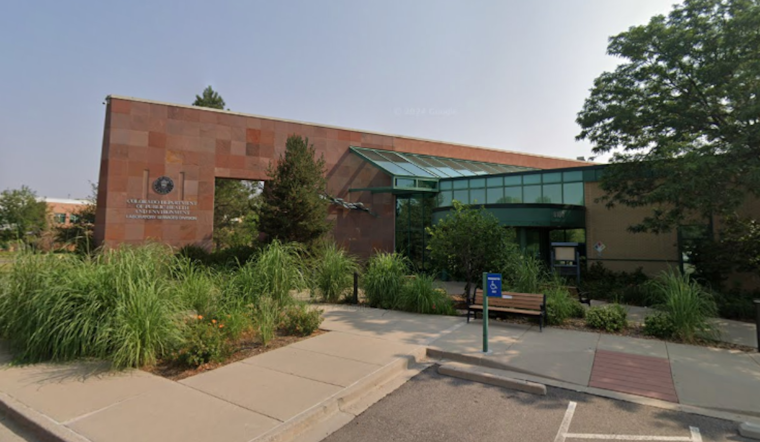
Amid an unfolding investigation into compromised water quality protocols, the Colorado Department of Public Health and Environment (CDPHE) has put a hold on water testing activities within its State Laboratory's chemistry program. This action follows the discovery of manipulated quality control data by not one, but a second state chemist, as revealed in a late announcement at around 5:30 p.m. on Monday. Denver7 reported that this pause is a direct response to these allegations.
Upon revealing the misconduct by a second chemist, involved in altering data related to key tests such as method 200.7, which includes testing for metals like arsenic, thallium, and vanadium, the CDPHE has assured the public that there is no immediate threat to public health. As reported by KDVR, this decision comes with the concern over potential impact on over 1,000 cases due to the actions of the former forensic scientist employed with the department for decades.
Dr. Ned Calonge, chief medical officer of CDPHE, emphasized the agency's commitment to integrity within its laboratory operations. "We are taking swift and decisive action to address this issue, including fully evaluating the culture and practices of the lab," Calonge stated, as mentioned by KDVR. The chemist found engaging in this recent instance of data manipulation has been placed on administrative leave.
The interruption to the State Laboratory's functions has prompted the deployment of contingency plans to ensure environmental monitoring continues unimpeded. According to KDVR, testing for EPA-certified methods is now being outsourced to others while a separate accredited CDPHE lab has taken on additional responsibilities. This lab, not affected by the scandal, will address testing for non-EPA-regulated methods, working closely under the Chemistry Program Manager's direct supervision.
Moreover, following the invalidation of the State Laboratory's testing certification by the EPA, 9News reports that further action has been taken to notify the Laboratory Response Network, thereby ensuring that necessary tests can be forwarded to other equipped state laboratories or the Centers for Disease Control and Prevention as needed. The ramifications of these findings and subsequent suspensions are still unfolding, with the CDPHE and EPA keenly focusing on the next steps to rectify the situation and restore public trust in Colorado's water testing protocols.




