

























































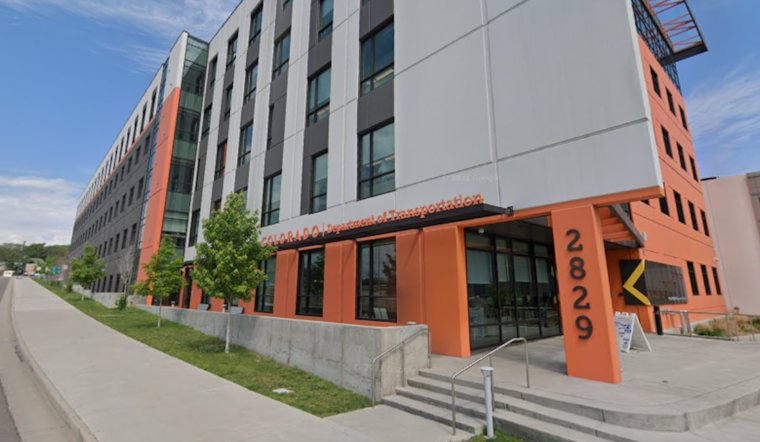
Starting January 1st, Colorado drivers best cling to lane discipline or their wallets could feel a pinch, following the end of a grace period where over 23,000 warnings were issued for weaving through Express Lanes. Colorado's expressways, where people zip by at varying velocities, have been a concert of near-misses and rubber-burning recklessness which, CDOT insists, will no longer go unchecked thanks to newfangled enforcement tech.
"We’ve heard the public’s concerns about this unsafe driving behavior for years, and now we have the technology to hold these drivers accountable," said CDOT spokesman Tim Hoover, as obtained by CDOT. In a statement that underscores a modern reality where cameras and sensors extend the eyes and long arm of the law, CDOT via their announcement articulated its commitment to traffic safety with a digital flourish.
According to CDOT, the fines for crossing over those solid white lines that have long-cocooned the Express Lanes, a legal no-no turned fiscal faux pas will nudge violators, the remainder will come via mail with a base amount of $75 if paid promptly within 20 days, after which, it doubles like a lapsed library loan on an overdue novel. The fines, Hoover added, are structured as "civil penalties," an administrative tug on the reins of those drivers given to impulsive swerves and dashes between lanes.
With the Safety and Tolling Enforcement Program or STEP, a high-tech sentinel first tried on the I-70 Mountain Express Lane corridor and now overseeing all tolled express lanes in Colorado, accidents have dipped sharply by 80%, Hoover told, a metric of success CDOT hopes mirrors across the Central 70, I-25 South Gap, and US 36 once fines snap into place. For more details on STEP and payment options for fines, their webpage at ExpressLaneSafety.com provides all the particulars, or folks can dial directly using the automated system at 1-800-343-2633.
Information circulates across a multitude of platforms ranging from traditional billboards to radio and online ads, all part of CDOT's campaign to inform the public, while the Colorado Transportation Investment Office (CTIO) continues to explore innovative funding approaches for transportation, seeking to enrich travel possibilities beyond the steering wheel through transit, biking, walking, and carpooling initiatives.





