

























































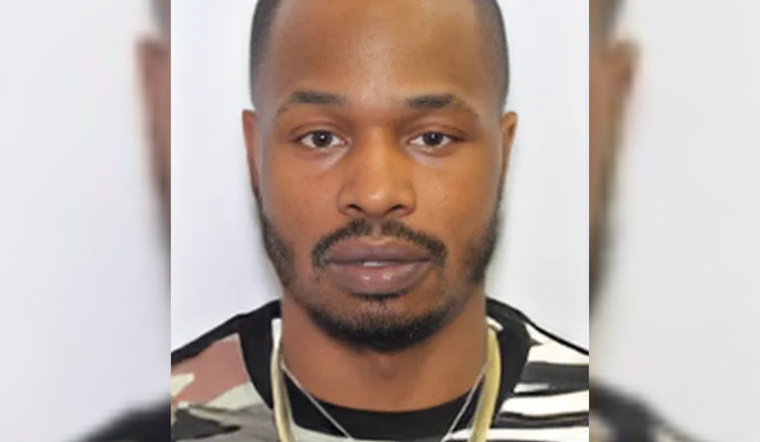
A Columbus man has pleaded guilty to causing the fatal drug overdose of his 13-month-old son, Muskingum County officials reported. Anthony W. Mixon, 40, now residing in Zanesville, made the admission of guilt in front of a court last Friday to charges of felony child endangering and involuntary manslaughter as part of a tragic case that points to the broader crisis of substance abuse and its often unseen victims.
Officers were called to the scene on August 26 following an emergency call about a child who was found to be unresponsive. They were met by the baby's grandmother, who had been watching over the child then. According to a statement obtained by the Muskingum County Prosecutor's Office, she explained that her son Mixon, a known user of fentanyl, had been in the house earlier but that she did not know when he had left.
She recounted giving the child an adult-strength melatonin pill to aid sleep but noticed the child seemed unusually groggy. The grandmother discovered the baby was not breathing around 3 a.m. Following the horrifying discovery, Mixon came back to the home after spending the night using drugs with a friend. Autopsy and toxicology reports later confirmed the baby's death was due to an acute and toxic overdose of drugs, with fentanyl and cocaine found in the bloodstream.
Mixon also admitted guilt to additional charges, including an incident where he aggressed a deputy officer while in jail. During a suicide watch, he became combative and bit an officer trying to prevent him from self-harm. Muskingum County Prosecuting Attorney Ron Welch used this as an example of why his office pushes to penalize drug traffickers harshly. "A baby is dead because someone wanted to sell poison," Welch stated in a release by the Muskingum County Prosecutor's Office, emphasizing the direct link between the trafficking of narcotics and the devastation it brings to families and communities.
"At the very core, the drug dealer is a selfish parasite that only cares about himself or herself," Welch said via the news release, addressing a common dilemma where the actions of drug dealers are sometimes downplayed by their community ties. He asserts that no penalty is sufficient "when a 13-month-old has to die so somebody can make easy money." Furthermore, while the office is committed to justice, Welch suggests there are instances where "the criminals can never really get what they deserve."





