

























































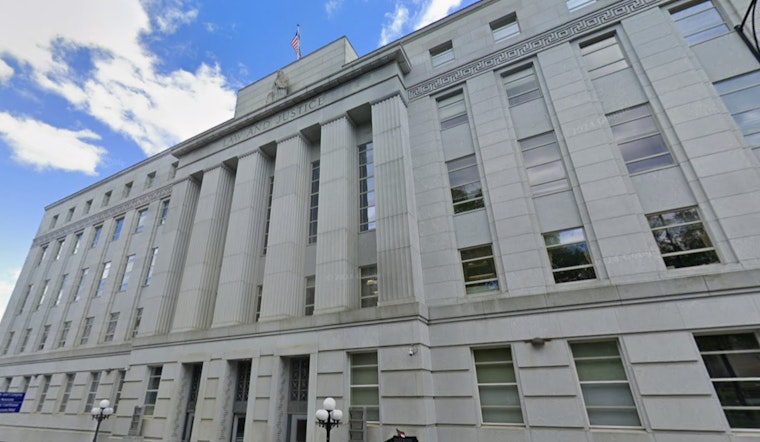
The quest for clarity in North Carolina's Supreme Court Associate Justice race took a decisive turn as the State Board of Elections decided against a full hand recount. Democrat Allison Riggs held her lead with an additional 70 votes following a partial hand recount, outstripping her Republican adversary, Jefferson G. Griffin, who gained 56 votes; according to the official press release issued by the North Carolina State Board of Elections.
The decision was rooted in a state mandate stating that for any full hand recount to be motioned into effect, Griffin would've needed at least 35 more votes than Riggs in the hand recount spanning 3% of Election Day precincts and early voting locations in each county and that condition was not met, the partial hand recount, aimed to identify voters’ intentions missed by machines reinforced Riggs' position, her lead now cemented at 734 votes after more than 5.5 million ballots were machine recounted. After this labor-intensive partial recount — which called upon bipartisan teams across all 100 North Carolina counties — the gap between Riggs and Griffin failed to shrink enough to trigger the exhaustive process of a full hand recount.
In such tight and pivotal races, recounts — especially manual ones — are not mere formalities, they are the necessary toil that upholds the very semblance of democracy that enables residents to trust that every intention cast on a ballot is given its due diligence, underscored Karen Brinson Bell, the executive director of the State Board of Elections, declaring, "We once again owe our gratitude to the county boards of elections, and all of the workers who have made sure that ballots were counted accurately in this contest," she expressed gratitude for the dedication exhibited throughout this meticulous endeavor.
Though questions of accuracy in the initial machine tally gave rise to this partial recount, the additional votes picked up by Riggs in this process confirm a persistent lead over Griffin, with the arduous labor of bipartisan teams proving decisive in interpreting the ambiguous markings left by the voters’ hand. The inherent challenges of manual recounts were not lost on election administrators and onlookers alike who appreciate the painstaking scrutiny required to discern voter intent, a process wherein bipartisan board members parse through the ballots to count those that machines might've failed to their marks. The recount saga in North Carolina may now draw to its close with this latest development as the electorate and candidates alike await final certification.



