

























































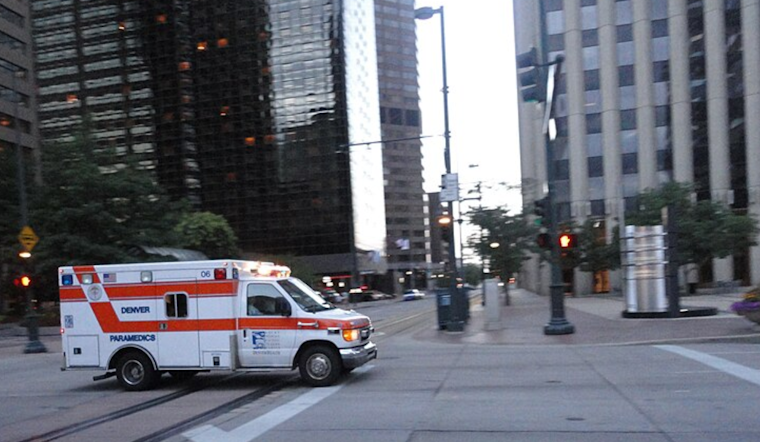
An audit of Denver's emergency response services indicates that during a recent 11-month span, the systems in place struggled to meet timely response goals for answering 911 calls. According to The Denver Post, the audit covered the period from May 2023 to March 2024, showing that Denver's 911 call-takers failed to answer the phone within the set standard of 15 seconds 71% of the time, falling significantly short of their 90% target.
The report detailed that this pattern was consistent across the board, with firefighters and emergency medical services similarly not achieving their response-time goals. Firefighters arrived on the scene within five minutes 74% of the time against a target of 90%, while Denver Health ambulances reached 84% of their calls within nine minutes, also missing the 90% goal. As reported by The Denver Gazette, the agency was expected to respond to 90% of all 911 calls within 15 seconds and 95% within 20 seconds, according to standards set by the National Emergency Number Association. The audit also found that 6% of more than 500,000 911 calls took over two minutes to answer.
In terms of actions and improvements from these findings, KDVR reported that the Denver Department of Public Safety agreed with three out of six recommendations from the audit. This included an assessment of the 911 staffing levels and a formal request for additional staff, along with ensuring that emergency response time goals are realistic through comprehensive reviews.
However, the Department of Public Safety did not concur with several recommendations, including one critical measure, to track the total response time from when a call is placed to when help arrives at a patient’s side. They also disagreed with leveraging this data for aligning better with emergency medical response time standards and the development of new procedures for data analysis. Despite these setbacks, the city plans to assess emergency response time goals based on risk and hazard impact, intending to implement findings by June 30, 2026, and to develop written policies for committee meetings by Dec. 31, 2025.




.jpg)