

























































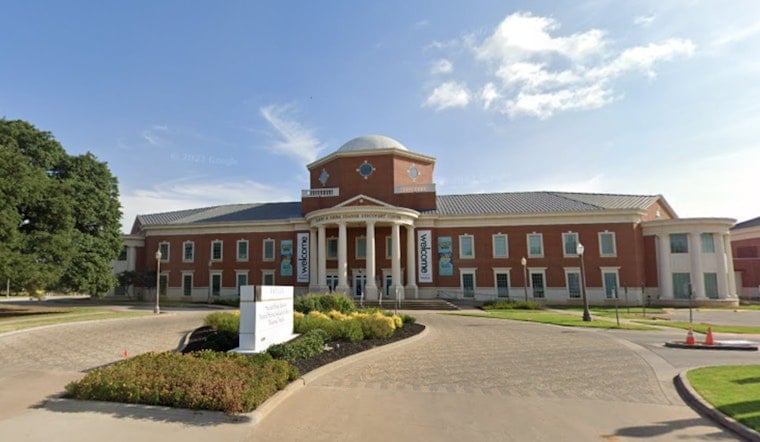
As museums continue to evolve as spaces of cultural preservation and conversation, Texas offers a unique tapestry that intertwines the past with the present. The concept of what defines a museum was explored by Kenneth Hafertepe, a scholar with the Texas State Historical Association and chair of the Department of Museum Studies at Baylor. Hafertepe delved into the complexities of the museum experience, setting the stage for a compelling tour through the Texas museum landscape, according to Texas Standard.
Among the highlighted institutions is the Sid Richardson Museum in Fort Worth, a gem that offers visitors the opportunity to see prominent Western art without an admission fee. Frederic Remington and Charles Russell, two artists whose work captures the essence of the American West, are featured extensively in this collection. Jennifer Bennett, a listener who shared her insights with the Texas Standard, emphasized the museum's commitment to accessibility and its significance in the community.
Further south, the Museum of South Texas History in Edinburg brings to light the rich confluence of cultures in the region. Chronicling the diverse heritage that comprises the identity of South Texas, this institution acts as a curator of the stories that define the Lone Star State's unique character. The evolution of South Texas' cultural landscape is an unfolding narrative that the museum captures through its extensive collections and exhibits.
The crucial role of education and its disparities was brought to the forefront by an exhibit detailing the history of Rosenwald Schools. Julius Rosenwald, a philanthropist and then-executive at Sears, collaborated with Black educator Booker T. Washington to establish schools for Black students in the early 20th century. The Bob Bullock Museum in downtown Austin showcases this impactful endeavor with photographs and artifacts from the once-neglected Texas Rosenwald schools, "Andrew Feiler has documented what’s left," shedding light on this chapter of educational reform according to a report by Texas Public Radio.
Also re-emerging from the roots of Texas history are the Caddo Mounds, an indigenous burial site that has been meticulously rebuilt by the Texas Historical Commission after suffering damage from severe weather. This site is crucial, as it represents one of the few remaining vestiges of prehistoric human life in the state, offering visitors a glimpse into a distant past. The reopening of the mounds was covered in detail by Sean Saldana for the Texas Standard.
Last but not least, the Kilgore College Rangerettes, pioneers of synchronized performance, are honored through a museum dedicated to their legacy. As the initial drill team of their kind, they set a standard that would ripple throughout educational institutions nationwide. McKenzie Nabi, an intern with the Texas Standard, explored the museum's role in preserving the history and influence of the Rangerettes.
The quirky artwork of Cadillac Ranch, created by the collective known as Ant Farm in 1974, continues to intrigue visitors and artists alike. Photographer Wyatt McSpadden has captured the evolution of this roadside installation over the past five decades, with his work featured at the Amarillo Museum of Art. The exhibition "Cadillac Ranch at 50" is a testament to the enduring appeal of this public art phenomenon as it reaches its golden anniversary, as per Texas Public Radio.





