

























































Florida's St. Johns County played host to a tour by state representatives to gauge the needs of the District 23 Medical Examiner's Office. Last Friday, Representatives Sam Greco and Kim Kendall, together with Danielle Curbow, Legislative Aid for Florida Senator Tom Leek, embarked on a fact-finding mission that included a media-covered tour, as first chronicled by the St. Johns County Office of Public Affairs. The office, crucial to the timely and thorough examination of untimely deaths, finds itself at a crossroads, struggling to keep pace with the physical constraints of their current facilities and the burgeoning demands of the counties they serve.
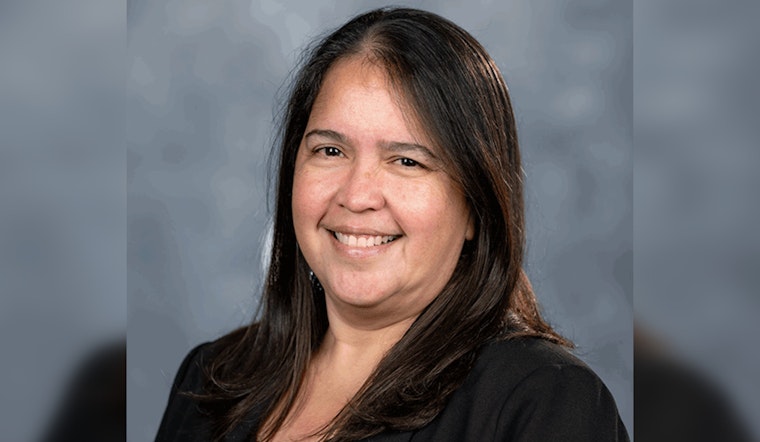
The tour, intended to shed light on the daily hurdles faced by the medical examiner's staff, began with a presentation by Dr. Wendolyn Sneed, the District 23 Medical Examiner. "We're like a well-kept secret," Dr. Sneed told attendees, underlining the office's largely unrecognized yet essential role. She outlined the growth of St. Johns, Putnam, and Flagler counties—a triad pushing the office to operate beyond its capacity. The current facility, at a modest 5,200 square feet, is teetering under the weight of an expanding case load. "We are bursting at the seams," Sneed said, highlighting the need to reciprocally expand staff and space.
Witnessing the internal workings of the District 23 office, state representatives assessed the operations and listened as Dr. Sneed discussed the critical need for a dedicated radiographic room. Echoing her earlier points, Dr. Sneed emphasized, "Having a dedicated space would enhance efficiency and allow us to fully X-ray every case, improving the quality of our work." The call for technological enhancements and improved ventilation further underscored the ageing office's plight to modernize. Yet despite the infrastructural restrictions, Dr. Sneed praised her team for their steadfast commitment.
While examining the existing infrastructure, the office’s challenges became tangible to the visiting party. The requests for State appropriations for design and engineering of a new facility stem from a projection: the regional population is set to burgeon to 700,000 by 2050. An office designed to meet this looming expansion would not only have to house more personnel but also integrate state-of-the-art technologies to adeptly keep up with the caseload. In her conversation with state representatives, Dr. Sneed didn't just advocate for her office, she spoke for the future residents of these counties who will depend, often unknowingly, on the medical examiner's office for closure, for justice, and for public health.
The tour ended with the representatives understanding that collaboration both at the state and local level is key for the future of the Medical Examiner's Office. Notable as well is Dr. Sneed's dedication to community education on the dangers of drugs, highlighting her dual role as a medical expert and community educator.





