

























































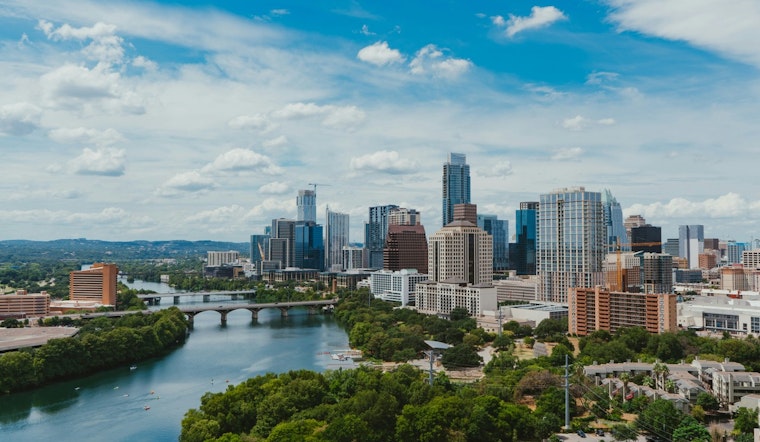
Austin, the state capital that has long held the rank of the fourth-largest city in Texas, has now been demoted to fifth as Fort Worth accelerates past. This shift is marked by new estimates from the Texas Demographic Center, which shows Fort Worth's population reaching more than 989,878 residents by January 1, 2024—just slightly above Austin's 986,928.
While Fort Worth has seen a noteworthy 7.7 percent growth between 2020 and 2024, Austin's growth is comparatively stunted at 2.6 percent. Such a rapid gain in residents has pushed Fort Worth, thriving on the wings of affordability and space for expansion, to the brink of one million inhabitants—a milestone Austin is also nearing, though at a more modest pace.
Houston continues to hold the top spot as Texas' largest city, boasting over 2.3 million residents, followed by San Antonio and Dallas, according to the data compiled. This reshuffling of city rankings is more than just numbers, as observed by the demographic center, implying a shifting balance in the urban hierarchy of the Lone Star State.
Fort Worth's surge has been somewhat phenomenal, adding more new residents than any other big city from July 2021 to July 2022, a period where an estimated 19,000 people were reported to have moved there. According to KVUE, experts consider reaching the one million mark significant for the purposes of marketing and branding, a fact Fort Worth is expected to capitalize on before the decade's end.
Meanwhile, Austin seems to combat the trend, having slipped from not only Texas's top cities but also the list of the nation's top ten largest cities as per recent U.S. Census Bureau data. Still, the suburbs surrounding Austin continue to demonstrate growth even as the city's own population growth paces slowly. This pattern underscores the diverse dynamics at play within urban growth and development in Texas.




