

























































Coconino County Health and Human Services (CCHHS) confirmed detection of H5 avian influenza in wastewater samples collected from two reclamation plants in the region, per the latest reports. The Rio De Flag Water Reclamation Plant and the Wildcat Hill Water Reclamation Plant are currently the epicenter of scrutiny following this revelation.
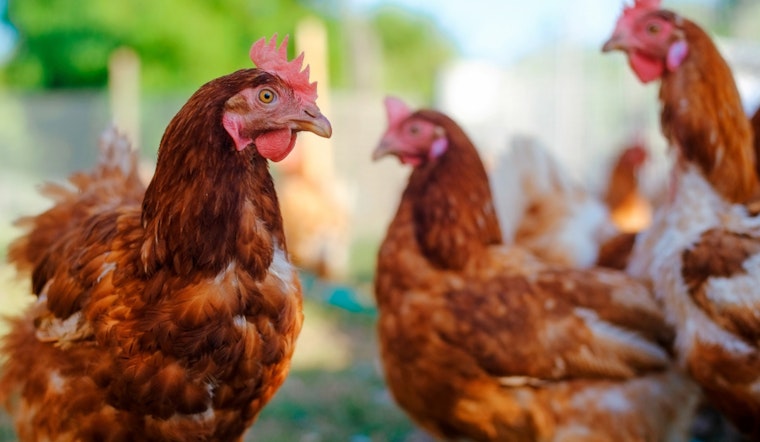
The presence of chicken and wild bird DNA in the water samples indicates that these birds could be the source of the H5 virus, as detailed by Coconino County. While the origin of the virus is primarily linked to chickens and wild birds, authorities are not discounting other potential sources. It's important to note that, there are no known human or animal cases reported in the county.
Despite the unsettling discovery, public risk remains minimal. "There is no evidence that human-to-human transmission of H5 avian flu is occurring to date," the Centers for Disease Control and Prevention reassures, as stated by Coconino County. Influenza A H5 viruses typically plague birds, but on rare occasions, they infect humans who might have contacted infected animals or waded through their habitats.
The symptoms of an H5 infection can swing from mild respiratory signs to much more severe conditions, such as pneumonia or even multi-organ failure. Officials urge that individuals experiencing any related symptoms contact their healthcare provider immediately – especially if they've been exposed to birds recently. Meanwhile, Arizona has seen two human cases in individuals who interacted extensively with infested animals, according to a statement released by CCHHS.
Concerning poultry, H5 avian flu has been located within a commercial farm in Pinal County and a backyard flock in Maricopa County. Recognizing and reporting early signs of H5 infections in chickens to the USDA Sick Bird Hotline at 1-866-536-7593 is crucial for managing the spread.





