

























































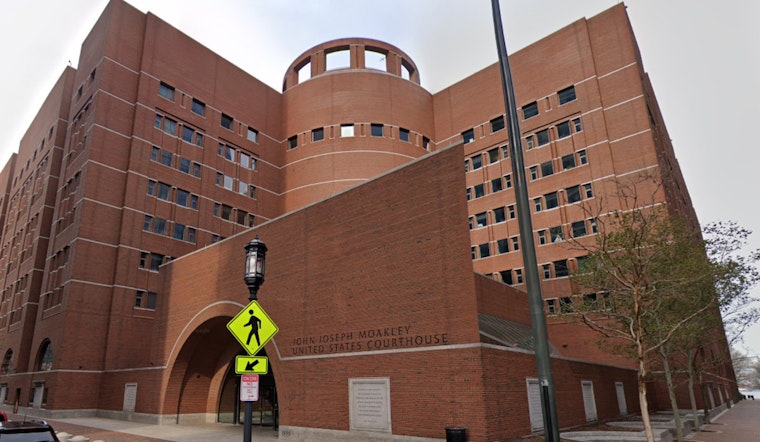
A Lunenburg, Massachusetts man faces serious charges after being arrested for possessing child sexual abuse material (CSAM), according to a statement from the U.S. Attorney's Office. Michael Myers, 37, was taken into state custody on December 17, 2024, and was arraigned before U.S. Magistrate Judge David H. Hennessy, where he consented to detention pending his trial.
The investigation leading to Myers' arrest included the execution of a search warrant at his residence, where law enforcement discovered his cell phone containing several videos and images of CSAM. This is not Myers' first encounter with the law on similar charges, as he was previously convicted in 2015 for possession of child pornography and sentenced to two years of probation. Myers is categorized as a Level One Sex Offender. The repeat offense carries a mandatory minimum sentence of 10 years, with a maximum of 20 years in prison, along with three years of supervised release and a potential fine of up to $250,000, as reported by the U.S. Attorney's Office.
United States Attorney Joshua S. Levy, Homeland Security Investigations Special Agent in Charge Michael J. Krol, and Lunenburg Police Interim Police Chief Jeffrey M. Thibodeau were the officials announcing the arrest, with Assistant U.S. Attorney Daniel Bennett of the Worcester Branch Office leading the prosecution; their collective work falls within the scope of Project Safe Childhood, a nationwide initiative aimed at combating child sexual exploitation and abuse.
The case against Myers highlights the ongoing commitment of federal, state, and local organizations in addressing the growing crisis of child exploitation, as part of Project Safe Childhood, which was established in May 2006 by the Department of Justice. More information about the initiative is available on the Department's website. While the charges against Myers carry severe weight and reflect the seriousness of his alleged actions, it remains the court's duty, under the principles of justice, to determine his guilt or innocence beyond a reasonable doubt. Until such a determination is made, the defendant is presumed innocent.




