

























































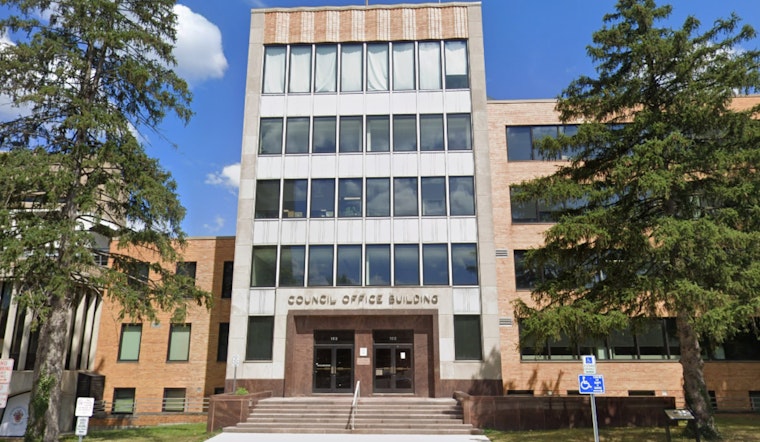
Montgomery County has committed to supporting diversity in business through 2029 with the passage of Expedited Bill 23-24. The bill, which aims to support minority, female, and disabled-owned businesses, extends the county's minority-owned business purchasing program. The bill was co-sponsored by Council Vice President Jawando and Councilmember Sayles.
Introduced by Councilmembers Laurie-Anne Sayles and Will Jawando on Oct. 15, Bill 23-24 has seen robust support across the council. The intention behind the bill is clearly to provide an uninterrupted support to viably increase the participation of minority, female, and disabled (MFD) owned businesses in the county's economy. Jawando has emphasized the essential role this program plays in creating a level playing field and was quoted stating, "The success of our minority, female, and disabled-owned businesses is a key indicator of Montgomery County's overall economic health, and this program is making a real difference for those businesses," a statement obtained by Montgomery County Council.
The support for this measure stretches beyond inclusion. With the latest Montgomery County Disparity Study showcasing significant disparities across various sectors from 2015 through 2021, this bill also mandates a new disparity study to be presented by July 1, 2029. In the past fiscal year, the report from Montgomery County indicated a $246,374,095 allocation to MFD businesses, which tallies up to 22 percent of the total eligible dollars. This figure has seen an evident increase from the previous year's numbers.
With the local government taking a proactive stance, Councilmember Sayles addressed the council's action, saying, "This initiative empowers our County's dynamic businesses to play a vital role in strengthening our economy." There's a sense of optimism that the program's extension will continue to progressively shape Montgomery County's commercial landscape. Council President Stewart, chairing the Government Operations and Fiscal Policy Committee, highlighted the importance of the county's own purchasing habits as a model for advancing businesses owned by underrepresented groups. The efforts seem rooted in a holistic understanding that an empowered and diverse local economy ultimately befits everyone involved. For more details about the council decision and its implications, visit the Montgomery County Council website.




