

























































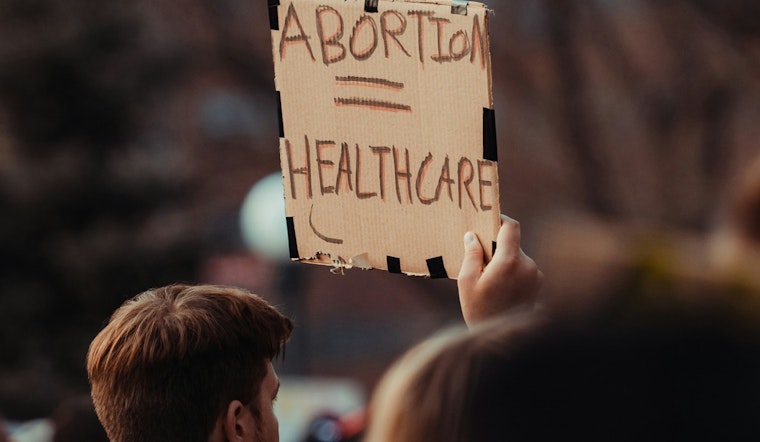
New York's top legal officer has strongly reaffirmed the state's stance on reproductive rights in light of recent legal challenges mounted by Texas officials. Attorney General Letitia James issued a resounding statement defending a New York doctor who now faces a lawsuit filed by the Texas Attorney General. The doctor provided telehealth abortion care, prompting legal action from a state with one of the most stringent anti-abortion statutes in the country.
The cross-state legal dispute emerges amidst a national debate on abortion rights, with major implications for telehealth services. In her statement, Attorney General James declared, "Abortion is, and will continue to be, legal and protected in New York." She emphasized New York's commitment to serve as a safe haven for abortion access, vowing to protect healthcare providers from what she termed as "unjust attempts to punish them for doing their job." The statement was released on December 13th and can be read in full on the New York State Attorney General's website.
This lawsuit illustrates the widening rift between states following the Supreme Court's historic decisions on abortion. Legal experts are watching closely, as the outcomes could set precedents impacting not just abortion rights, but the reach of state laws across borders into jurisdictions with differing legal standards. The move by the Texas Attorney General has quickly to become a flashpoint in the ongoing national dispute over reproductive autonomy and state sovereignty.
Attorney General James reaffirmed New York's position, stating, "We will always protect our providers from unjust attempts to punish them for doing their job and we will never cower in the face of intimidation or threats." This strong defense signifies a commitment to uphold New York's reproductive health laws, challenging the expanding efforts of states with opposing views to exert influence beyond their borders. James' commitment to "defend reproductive freedom and justice for New Yorkers" underscores a commitment to maintaining New York's established protections.




