

























































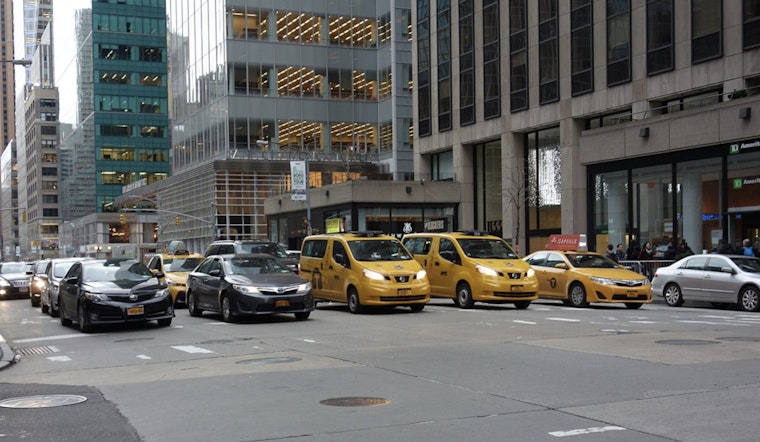
New York City's plan to charge drivers for entering the busiest parts of Manhattan, known as congestion pricing, is facing intense legal pushback but has recently passed a significant hurdle. U.S. District Judge Lewis Liman declined a request to halt the program, despite various groups challenging its legality and potential effects, as reported by Crain's New York. This decision means, unless further legal actions interfere, tolling will commence next month as scheduled. However, a raft of other lawsuits, including those from Rockland County and a federal challenge from New Jersey seeking additional environmental review, could still disrupt the plan's implementation.
The urgency of modernizing New York's century-old transit system is a driving force behind the congestion pricing initiative, championed by Governor Kathy Hochul and benefiting the Metropolitan Transportation Authority (MTA). Judge Liman's refusal to grant the injunction was based on his assessment of the substantial financial and environmental costs that delaying the program would incur. He cited monthly costs of $12 million and lost revenue around $40 million which postponement would entail. Moreover, as he expressed, investments in various capital programs for the MTA would be hindered, impacting subway station accessibility, updated signaling, and extended public transit to underserved areas, Crain's New York detailed in their report.
With the tolling set to begin on January 5, drivers entering Manhattan below 60th Street from 5 a.m.-9 p.m. Monday through Friday will face a $9 charge with an E-ZPass, a fee that could climb to $12 by 2028. To promote overnight deliveries, tolls during off-peak hours are slated to be 75% lower. Although, exemptions exist for certain vehicles and individuals, including emergency and government vehicles, school and commuter buses, and select low-income drivers and those with medical conditions. This plan cleared its final legislative hurdle in November and is part of the larger ambition to cut congestion, enhance the economy, and improve life quality for New Yorkers, CBS News reported.
Even as the congestion pricing plan edges closer to implementation, there are prominent voices against it. President-elect Donald Trump has vowed to squash the initiative, and Rep. Mike Lawler has threatened to propose legislation that would withhold federal funds from the MTA while the program remains active. On the legal end, a judge in the Southern District of New York has yet to decide on the merits of four New York-based lawsuits against the congestion pricing. Among the plaintiffs, reps from the United Federation of Teachers and U.S. Trucking Association of New York called the pricing "unreasonable, unfair," arguing that the MTA is looking to generate revenue "on the backs of the industry which is the lifeblood of Manhattan's economy," as CBS News spotlighted in their coverage.





