

























































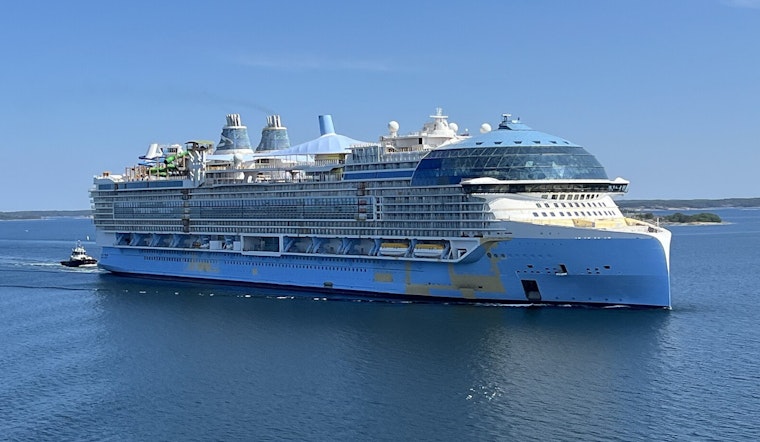
The revival of the cruise industry in New York City is steaming ahead, with city ports witnessing an influx of passengers eager to set sail for leisure trips. According to a report by Crain's New York, both Manhattan and Brooklyn cruise terminals saw a record-breaking number of about 1.5 million passengers this year, facilitated by stops from esteemed cruise lines such as Carnival, Norwegian, and Viking. This revival marks a robust year despite the ebb in ship traffic, with the city enjoying an economic impact estimated at approximately $509 million and the creation of nearly 3,000 full-time jobs.
Underpinning this resurgence is a broader global trend wherein cruise travel has not only rebounded but sailed beyond pre-pandemic levels to reach 107% compared to 2019 figures, reaching 31.7 million passengers globally in 2023, and projecting up to 35.7 million by the end of the year, detailed by the Cruise Lines International Association. The projection for 2027 is even more optimistic, anticipating some 40 million passengers to take to the seas, while in New York, the escalation from nearly 1.4 million travelers in 2023 unfolds even as the number of vessels docking at the Manhattan Cruise Terminal encountered a slight decline.
Simultaneously, the cost of cruise vacations is witnessing an uptick, with ticket prices for cruises demonstrating a significant rise. The New York Post reports that popular cruise lines have hiked prices by more than 40% compared to pre-pandemic levels. A five-night Caribbean cruise this December, for instance, costs on average $736 per person, showing a dramatic 43% increase since 2019 according to Cruise Critic data. While fuel costs present a challenge, industry experts note the demand justifies the heightened prices, and strategies like focusing on destinations closer to the East Coast surmise to assuage fuel expenditures.
As cruise lines navigate their financial recovery after COVID, a demographic shift is also becoming apparent. Millennials and Gen X travelers are now key drivers of the growing popularity of cruises, with younger travelers and first-time passengers increasingly boarding ships. In fact, "the average age of a cruise traveler is 46, but some 36% of passengers last year were under 40," according to Crain's New York citing association data. The industry's strategy also involves investing in new destination experiences, as exemplified by Royal Caribbean's planned 17-acre Royal Beach Club resort in the Bahamas set to debut in 2025.
This shift towards localized getaways concurs with Carlos Torres de Navarra, a former Carnival executive and current principal of port destination developer Azul Destinations, who conveyed to The New York Post that cruise lines are now creating and improving destinations closer to their ships' launching points. Meanwhile, the accruement of heavy debt that cruise operators accumulated during the pandemic might be alleviated sooner than expected thanks to these increased ticket prices. In New York's waters and beyond, the cruise industry is seeing growth, driven by increased demand and a shift toward closer destinations as trends continue to influence the direction of cruise travel.





