

























































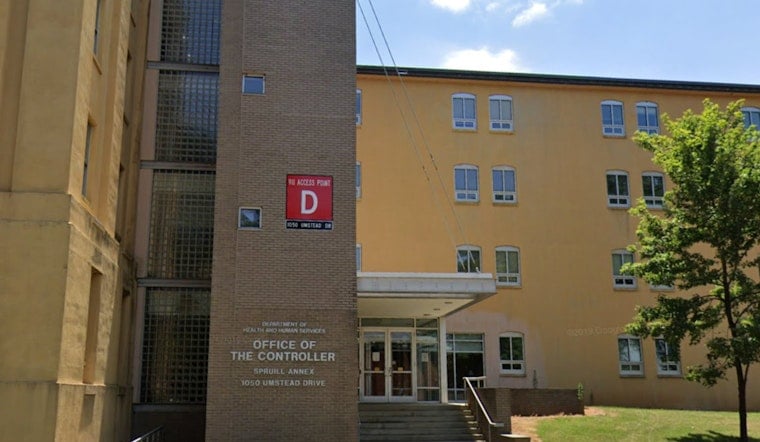
In a notable move to combat the health risks of radon gas exposure, the North Carolina Department of Health and Human Services (NCDHHS) is offering 2,000 free radon test kits starting this Wednesday, January 1, 2025, in alignment with National Radon Action Month. According to the official announcement, residents can procure a kit via the department's radon program website at radon.ncdhhs.gov, with the initiative having a clear goal: to reduce the risk of lung cancer statewide by encouraging radon testing and mitigation.
Radon, an odorless and colorless gas, naturally emanates from the soil and can build up inside buildings, leading to critical health issues. "Everyone in North Carolina, from the coast to the mountains, is exposed to some level of radon," NCDHHS Radon Program Coordinator Phillip Gibson remarked in a statement obtained by the health department's press release, "The question is not if you are exposed, but whether the level of exposure could be dangerous to your health. Testing for radon is the only way to know."
With radon linked to approximately 450 deaths each year in North Carolina, the invisible menace is cited as the leading environmental cause of lung cancer throughout the state. A home radon level at or above four picocuries per liter (pCi/L) is deemed hazardous, and data compiled by the NCDHHS reveals that the majority of North Carolina counties register above this threshold. County-specific information and guidance can be easily accessed on the department's radon webpage, which aims to assist North Carolinians in understanding their local radon risk.
Alarmingly, disparities persist in the awareness of radon dangers based on racial demographics. White residents are found to be 30% more likely to be informed about radon than their non-white counterparts, a disparity NCDHHS seeks to address by extending outreach to various community organizations and providing resources in 16 different languages. These efforts strive for equitable awareness about radon, its health implications, and recommended safety measures.
The free radon test kits are part of a broader commitment detailed in the 2023 North Carolina State Health Improvement Plan and North Carolina Cancer Control Plan, which earmark the reduction of radon exposure as a critical strategy to boost the state's life expectancy. While the giveaway lasts, residents are urged to take action and secure their single free test kit from the NCDHHS radon website, and seek further information on steps for radon mitigation where necessary.





