

























































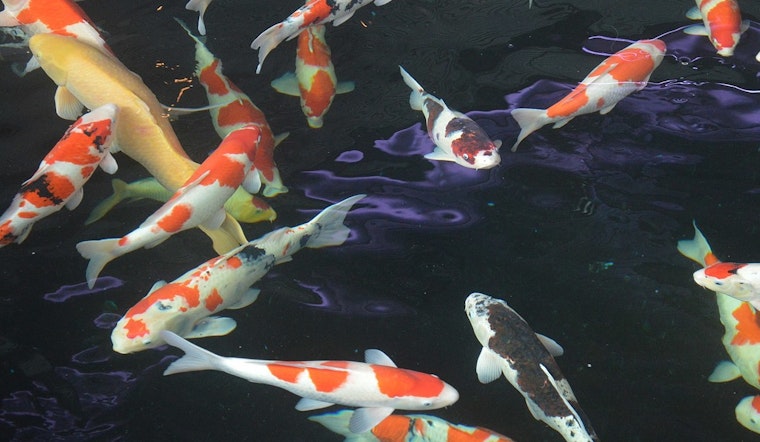
The recent discovery of a large koi fish in Oregon's McKenzie River near Eugene has caused local environmental officials to issue warnings about the dangers of introducing invasive species into natural habitats, as reported by KOIN. The Oregon Department of Fish and Wildlife (ODFW) removed the fish after a tip was received through the Oregon Invasive Species Hotline this past Wednesday, suspecting the koi was intentionally dumped into the river.
According to the ODFW, koi can reproduce at a high rate, laying up to half a million eggs and they are capable of enduring cold weather conditions, these factors combined with their tendency to compete with native species for food and disrupt vital riverbed vegetation could lead to significant ecological disturbances, which it is nearly impossible to reverse once started, this was elaborated in a statement obtained by KEZI.
Furthermore, ODFW fish biologist Jeff Ziller highlighted the risks associated with such non-native species, stating, "Introduced, non-native fish can spread deadly diseases to wild fish populations," emphasizing the extensive damage koi have done in other ecosystems and the substantial public resources spent on their eradication, often to no avail, in a statement obtained by Central Oregon Daily.
Not only do koi pose a threat to the environment and native species, but their release into the wild is also a Class A misdemeanor in Oregon, carrying fines that can reach up to $6,000, a small figure compared to the potential hundreds of thousands or even millions of dollars in damage and required cleanup; Ziller suggested that those with unwanted koi contact koi rescue clubs which are "more than willing to come down and get your koi," showcasing alternatives to illegal dumping that can help preserve the delicate balance of local ecosystems.
ODFW urges the public to refrain from dumping unwanted fish or aquarium contents into waterways and to report any sightings of invasive species to the invasive species hotline at 1-866-INVADER, in hopes of preventing future ecological issues and preserving Oregon's rivers and native wildlife from the potential spread of invasive species and the diseases they may bring.



.jpg)