

























































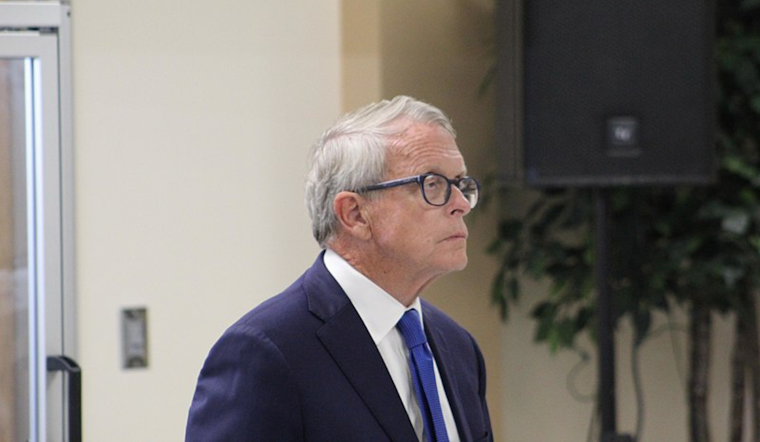
Ohioans are eyeing a new suite of legislative changes as Governor Mike DeWine puts his signature on a series of bills that bring adjustments ranging from the treatment of the armed forces to the revised scrutiny on tracking devices. In a move that will see amendments to the Revised Code, Senate Bill 6 brings environmental and corporate governance policies under the lens to affect state retirement systems and higher education.
The efforts to enhance privacy and accountability continue as DeWine signs Senate Bill 100, which not only addresses the installation of tracking devices without consent but also introduces oral fluid as acceptable evidence in suspected OVI cases with the intent to increase fines for tobacco sales to minors and fitting such establishments under the public nuisance law, the accumulation of these elements painting a picture of tightened regulations aiming to protect citizens. Meanwhile, the state also nods to the new addition to the armed services by including the Space Force in Senate Bill 154.
Family and health also receive attention as the adjustments to adoption laws in House Bill 5 promise modernization, and the designation of March as "Triple Negative Breast Cancer Awareness Month," as per Ohio Governor Mike DeWine, under House Bill 28 spotlights a critical health issue. Moreover, there's an emphasis on education and children's welfare with policies on how schools should handle over-the-counter drugs as outlined in House Bill 70 and a unique focus on children over 18 with disabilities in child support matters through House Bill 338.
Other legislation, such as House Bill 256, looks towards environmental concerns and organ donation, seeking the Department of Natural Resources' involvement under specific scenarios. At the same time, House Bill 303 shifts focus to bettering emergency medical services training. The overarching theme from the latest round of legislation seems to suggest a blend of strengthening the social fabric by enhancing protective measures, refining education, and health systems, and acknowledging the evolving dynamics of military service, all while refining the legal nuances amidst the web of governance.




