

























































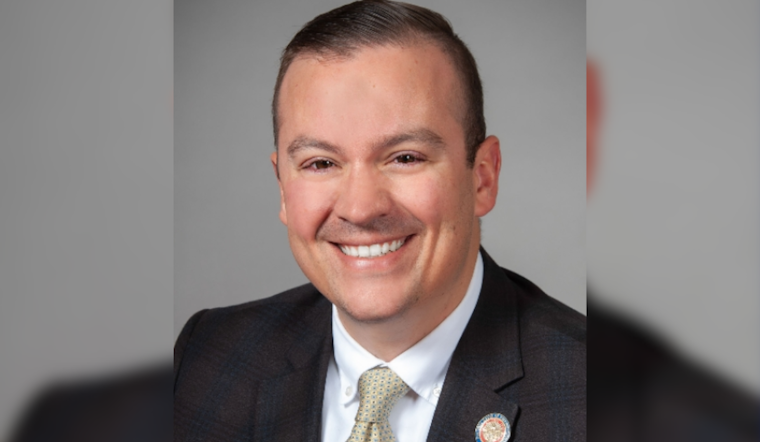
Ohio's Governor Mike DeWine has received a bill from the State House that, if signed, will enforce a 'Parents' Bill of Rights.' This legislation, a priority for the 135th General Assembly, was championed by State Rep. D.J. Swearingen (R-Huron). According to the Ohio House of Representatives, a statement from Swearingen aims to bolster parental control over various aspects of their children's lives, including education and health care. It responds to growing concerns among certain parents and conservative groups about the role and influence of schools in children's mental and physical well-being.
The bill's sponsor emphasized the importance of parent involvement, stating through the Ohio House of Representatives website, "It is critical that parents have a seat at the table when it comes to their children, and this legislation encourages parents and schools to partner together for the wellbeing of our children." Swearingen articulated the essence of this bill by stressing parental involvement sent to Governor DeWine. The bill necessitates that schools keep parents informed of any significant changes in their child's mental, emotional, or physical health status.
The bill has raised some concerns among opponents who fear it might infringe on the privacy of minors and potentially alienate vulnerable children, especially those with differences in opinion or lifestyle from their parents. There has also been vocal support, with proponents arguing it reinforces necessary parental oversight and ensures families can maintain their belief systems and values without undue interference.
The 'Parents' Bill of Rights also includes provisions that address the balance of its powers, providing further definition and restricting the reach of some of the original draft. Furthermore, it stipulates that school districts must develop a policy allowing students to be released for religious observances during school hours.
It now sits on Governor DeWine's desk, awaiting either approval or veto, a decision that could have lasting implications for Ohio's educational system and the privacy and autonomy of its students. The exact time frame for the Governor's decision remains unclear, but the coming days may prove significant for Ohio's parents, educators, and, most importantly, its children.




