

























































Oregonians with disabilities and their allies are marking a triple milestone as the state's ABLE savings programs ring in eight years of operations, right alongside the 10th anniversary of the federal Achieving a Better Life Experience (ABLE) Act. From a cold start, these programs have warmed up to a staggering $100 million saved by over 8,000 users, according to a statement from the Oregon State Treasury. The ABLE Act gave a clear signal for states to start saving programs that would aid individuals with disabilities, and Oregon has shown not only to spearhead but to continue to redefine the contours of this landscape.
Moving beyond mere existence, ABLE has proved to be a crucial lifeline letting many Oregonians more confidently save for the future without the dread of losing essential benefits like SSI and Medicaid. 2024's contributions to ABLE accounts exceeded $27 million, with an average account size north of $12,000 showcasing a burgeoning trend of financial empowerment. Oregon State Treasurer Tobias Read amplified this sentiment, saying "In just eight years, the ABLE programs have empowered thousands of Oregonians to save for their future and achieve greater financial security," as stated by the Oregon State Treasury.
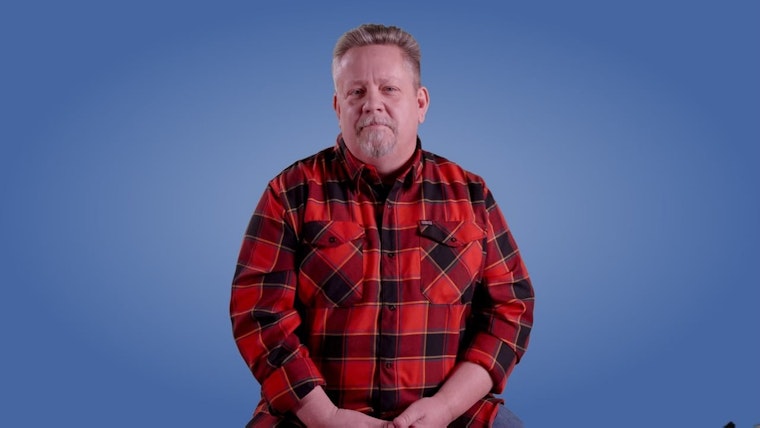
Beyond the numbers, personal narratives paint a vivid image of ABLE's impact. Aaron Goff, an ABLE account holder, shared with the Oregon State Treasury, "Navigating the difficulties that go along with planning for the financial life of someone who's disabled is just stressful,” said Aaron Goff. “You worry about the future of your kids, and you worry that they will have a good and secure life financially. The Oregon ABLE account really stood out as the simplest way that we could set up a savings account for our daughter that met her needs and that met the limitations of her Social Security benefits." His sentiments anchor the program's utility, not as an abstract policy, but as a tangible vehicle for financial prudence and independence.




