

























































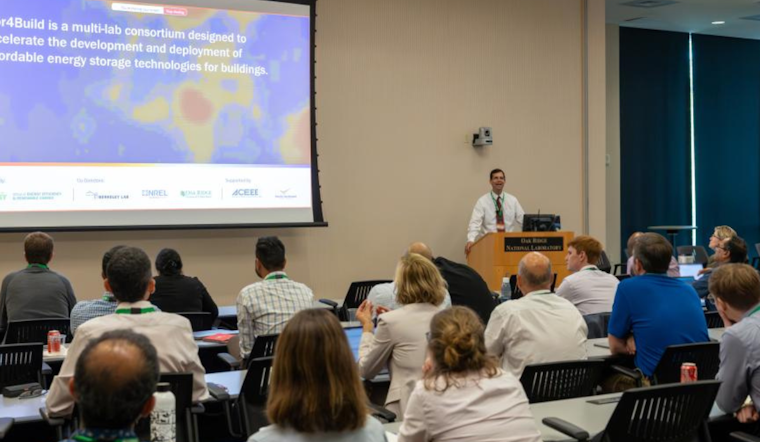
The energy demands of HVAC systems dominate the peak load pressure on our nation's electric grid. Still, Oak Ridge National Laboratory (ORNL) and its partners are pioneering solutions to reduce that strain. As part of the Department of Energy's Stor4Build Consortium, research co-led by the ORNL, alongside other national laboratories and organizations, is making strides in developing advanced thermal energy storage (TES) technologies. These innovations could vastly improve how buildings and the grid manage heating and cooling resources.
During a recent Stor4Build workshop, ORNL Director Stephen Streiffer welcomed industry stakeholders and collaborators. He emphasized ORNL's commitment to addressing national challenges such as grid improvement. "ORNL exists to solve big problems that address national needs such as developing solutions that improve the electric grid,” Streiffer stated, according to an ORNL press release. The workshop discussed future pathways for the technology's development and integration within buildings.
Thermal energy storage works similarly to a battery, holding onto heat or cold energy to be used on demand. This function can potentially significantly offset electricity usage during peak grid times. TES can enhance the efficacy of heat pumps, especially under harsh weather conditions. Sven Mumme, Stor4Build co-director and the DOE technology manager for the opaque envelope and thermal energy storage R&D, highlighted TES's environmental and functional benefits. "For example, thermal energy can improve heat pump performance and facilitate their market adoption, and with the utilization of low-embodied-carbon materials, a building’s carbon impacts can be reduced too," Mumme mentioned in the same ORNL statement.
Gluesenkamp's team has engineered a heat pump prototype that exemplifies how TES can shift the electricity demand. The prototype was developed using resources from the DOE’s Building Technologies Office and ORNL's Building Technologies Research and Integration Center. "If deployed at scale, our TES-ready heat pump promises to reduce the need for electrical infrastructure upgrades," Gluesenkamp explained, per the ORNL report. It could also trim down the peak electric demand for heating by up to three times when compared with current heat pumps on the market.





