

























































At the forefront of nuclear safety and nonproliferation efforts, Oak Ridge National Laboratory (ORNL) is spearheading initiatives to address the unique challenges presented by advanced nuclear reactor technologies and their fuel cycles, such as small modular reactors (SMRs). As these technologies gain traction, the integration of safety, security, and safeguards, collectively known as the 3S approach, in their design phase is becoming increasingly imperative. An article recently detailed how ORNL is not just confronting these scientific challenges but is also actively collaborating with international stakeholders to ensure the secure implementation of advanced reactors.
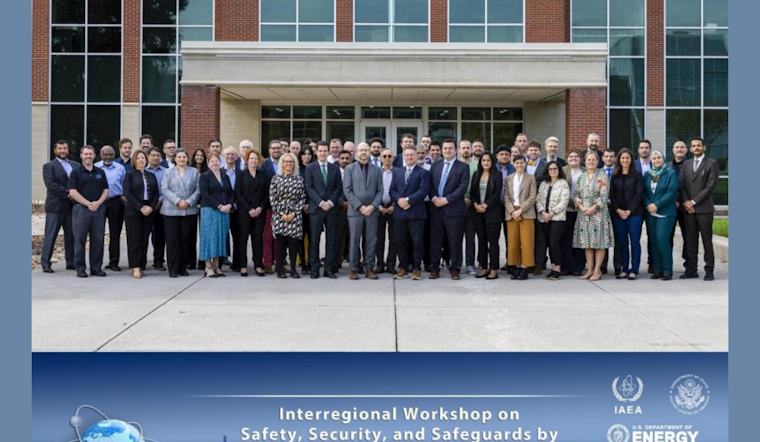
In early November, ORNL hosted a significant workshop with the International Atomic Energy Agency (IAEA), which emphasized the importance of early 3S integration. The interregional workshop saw attendance from representatives across 15 countries, including experts from three U.S. national labs, the industry sector, and IAEA officials. Discussing the global implications, Don Kovacic, a distinguished R&D engineer at ORNL, underscored the need for innovative approaches in integrating safeguards. "Integrating safeguards into the design phase will be crucial to accelerating the anticipated deployment of advanced reactors," Kovacic told the Oak Ridge National Laboratory.
During this international gathering, significant emphasis was placed on exchanging ideas and developing best practices for implementing the 3S design paradigm. The collective expertise present at the workshop contributes to a forthcoming IAEA publication aimed at providing actionable 3S interface review items. Shahen Poghosyan, the IAEA’s senior nuclear safety officer, highlighted the value of this kind of collaborative effort, "3S solutions will need to evolve if the ambitious deployment scenarios of SMRs are going to be practical – this will require implementing security and safeguards measures in more creative ways as past approaches may not work," said Poghosyan, as per the Oak Ridge National Laboratory.
Attendees took part in breakout sessions and got an up-close look at ORNL's state-of-the-art facilities, including the High Flux Isotope Reactor and the Spallation Neutron Source. These tours not only showcased ORNL's interdisciplinary research activities but also its pivotal role in enhancing the United States' contributions toward global nuclear safety and security. The workshop's organization involved efforts by several members of the National Security Sciences Directorate at ORNL, illustrating a concerted drive to promote integrated security measures from the ground up.





