

























































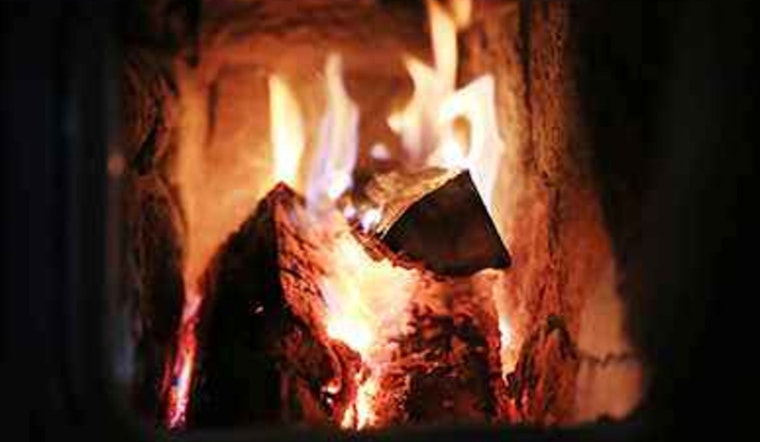
As winter settles over Pima County, the allure of a crackling fireplace comes with hidden risks, particularly for vulnerable groups. Wood smoke emits fine particles and toxic chemicals that pose health threats to individuals with heart or respiratory conditions, young children, and pregnant women.
According to Pima County, exposure to wood smoke can cause eye, nose, and throat irritation, headaches, nausea, and acute bronchitis. Walking through smoke-filled neighborhoods may trigger irregular heartbeats, chest pain, and difficulty breathing. In homes where wood is burned regularly, the smoke can worsen asthma, inflame lungs, and, in children, increase the risk of pneumonia, says Natalie Shepp, an environmental quality manager with the Pima County Department of Environmental Quality.
Fireplaces, while cozy, are inefficient as a primary heat source and can release harmful particulates into the home, especially if flues aren't properly maintained. The Pima County Department of Environmental Quality recommends safer alternatives, such as using large candles for ambiance or burning dry hardwoods. They also strongly advise against burning garbage, which releases toxic pollutants.
To protect air quality, checking local pollution levels is key. Apps like EPA’s AirNow provide real-time data, helping residents decide if it's safe to use their fireplace. As Natalie Shepp notes, "if you can smell smoke, you and your neighbors are breathing smoke," Pima County stated.
The EPA's "burn-wise" tips encourage practices like chimney maintenance and ensuring adequate air for the fire, helping reduce wood smoke’s impact and promoting a healthier winter for all.





