

























































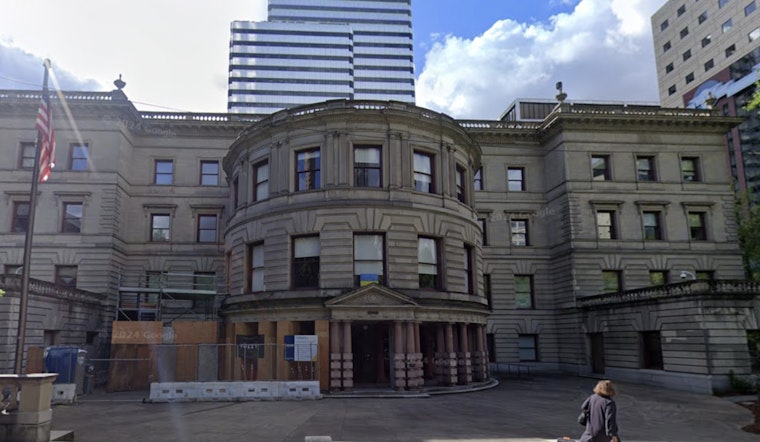
The Portland City Council held its final session of the year, bringing an end to the proceedings under its current governance structure. The meeting marked not only the conclusion of the 2024 council meetings but also the close of an era, as a newly elected mayor prepares to implement a revamped governmental framework.
In reflections of the council's tenure, Mayor Ted Wheeler expressed a sentiment of clear separation between the city's legislative and executive divisions. "The mayor should have never been the presiding officer of this city council, the mayor should be working with the executive branch, the city council should separate from the executive branch focusing on legislation and constituent services," Mayor Wheeler shared with KPTV. This reflection comes at a time of notable changes in the administrative structure of Portland's governance.
Under the emerging system, a city administrator along with deputy administrators will collaborate directly with various bureau directors to implement public services and initiatives. This structure aims to foster a more streamlined, collaborative effort among Portland's leaders. "You have a city administrator. You have a team of deputy city administrators working collaboratively with all 26 of our bureau directors to get things done that the public wants done," spoke one council member, confirming the incoming shift, as reported by KATU.
Noteworthy, is the ongoing concern over the division of labor, and its potential strains on the intergovernmental relations, particularly between the city and county. "I think that division of labor is problematic," Commissioner Gonzalez told KATU. As this administrative evolution unfolds, Portland's leaders appear ready to navigate the complexities for more effective governance even if it requires working through some initial skepticism and potential operational hiccups.
The historic transition provided an opportunity for reflection among the outgoing City Council members, who showed no signs of regret and instead focused on the future of the municipal governance model. This transition was captured during the meeting proceedings highlighting an evolution of civic engagement and management, as detailed by KOIN. As Portland closes one chapter, it remains attentive to the narratives of progress and reform that are yet to be written in the coming governance.



