

























































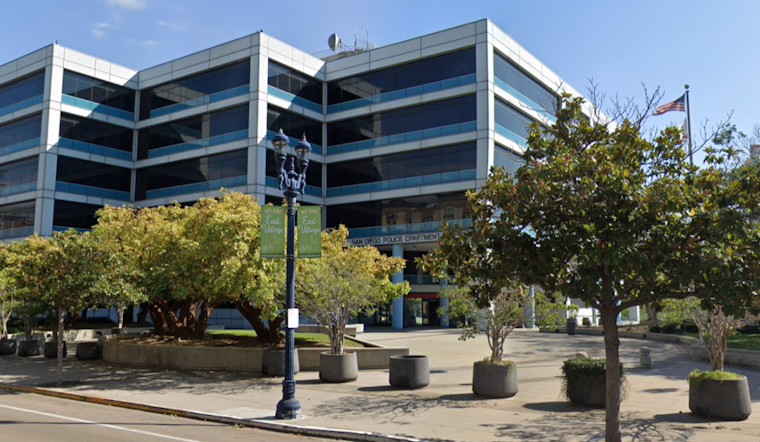
In the guise of surveillance technology, San Diego's watchful eyes have stirred controversy again, leading to a legal challenge against the city. The lawsuit, as reported by NBC San Diego, contends the San Diego Police Department (SDPD) did not receive proper authorization for using automated license plate readers and smart streetlights during major events such as Comic-Con and Pride. This legal conflict is centered on the accusation that the police circumvented a city ordinance requiring a city council to vote for any new locations or previously unapproved uses for these technologies.
According to the lawsuit, as per the ordinance, the City Council's explicit green light is mandated before using surveillance tech in new ways. Plaintiffs Lilly Irani, Seth Hall, and Mat Wahlstrom, represented in the case, claimed that the police bypassed the required approval. Citing "exigent circumstances" for public protection, SDPD, however, argued that the clause in the ordinance allows them to deploy tech without council approval. This justification, the plaintiffs argue, did not meet the ordinance's criteria, which demands proof of immediate danger to life or significant property damage.
Caught up in the tension between safety measures and privacy concerns, this lawsuit illustrates the complex relationships in modern governance. The San Diego Union-Tribune illuminated that privacy advocates see the police's reliance on the exigency clause as a way to circumvent standard procedures. "Using Pride as an exigent circumstance feels totally disingenuous," said Frances Yasmeen Motiwalla, expressing a sentiment from activists about the events that unfold annually and predictably.
Mayor Todd Gloria's office previously highlighted the value of the contentious technology. "Smart streetlights and ALPR technology have proven to be essential tools for our police officers, helping to quickly identify suspects and solve crimes," Gloria asserted via NBC San Diego in defense of their utility in law enforcement. The lawsuit also challenges the process used by the police when submitting a report requesting approval to relocate surveillance equipment, which critics claimed did not follow the proper protocol.
The city has refuted the allegations in the lawsuit, but plaintiffs' attorneys like Geneviéve Jones-Wright are steadfast in their pursuit of accountability. "By failing to follow their legal requirements, the City of San Diego has not only violated the ordinance but also eroded public trust," Jones-Wright said in a statement obtained by the San Diego Union-Tribune.





