

























































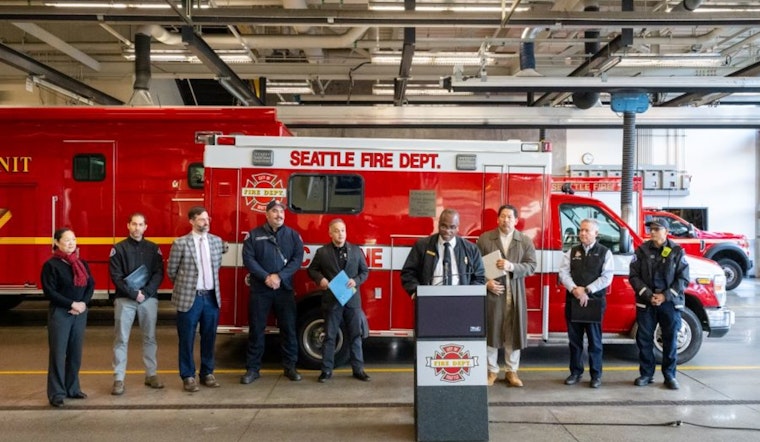
In a recent update from the Seattle Fire Department (SFD), Mayor Bruce Harrell highlighted the strides being made in the Buprenorphine Pilot Program—a scheme allowing paramedics to deploy buprenorphine to treat non-fatal opioid overdoses and withdrawal symptoms. This initiative, according to a report from Mayor Harrell's office, is placing Seattle at the vanguard of a health-centric approach to combat the opioid crisis. The mayor voiced appreciation for the collaborative efforts that made this pilot possible and hopes to see first responders better equipped to save lives and help those grappling with addiction find recovery avenues.
Paramedics in Seattle have been granted the authority since this spring to administer buprenorphine directly in the field, marking a significant movement toward more immediate and accessible care for those in dire need. Mayor Harrell said that "stopping painful withdrawal symptoms after an overdose creates a real opportunity for outreach providers to engage a person in a conversation about getting help." Secretary of Health for Washington State, Umair A. Shah, stressed the DOH's commitment to supporting Washingtonians' health and effectively battling the opioid crisis, with the pilot program being a step towards meeting these goals.
Buprenorphine acts not just as a treatment but also as a bridge, providing 24 to 48 hours of overdose protection, with sustained usage significantly reducing mortality from opioid addiction. Since the launch of the program, 38 paramedics and 11 firefighters/EMTs have been trained to administer the medication and have, as of Monday, treated 48 patients. Dr. Michael Sayre, SFD's Medical Director, underscored the impact of this empowerment, ensuring that more patients have swift access to this lifesaving medication.
Further building on this framework, the SFD has steered a pilot for a post-overdose response team called Health 99. Elements such as the Health 99 post-overdose response unit, which has responded 752 times in the field and distributed over 600 doses of naloxone, are instrumental in this push to provide a continuum of care. Jon Ehrenfeld, Program Manager of Mobile Integrated Health, expressed enthusiasm to be able to leverage this medication through the Health 99 team, while also highlighting the contributions of new stabilization centers and partner organizations in constructing an evidence-based system of care.
As a reflection of the city's dedication to addressing the opioid crisis, investments in health-focused programs were tripled in the 2025-2026 budget. The SFD's Mobile Integrated Health (MIH) program will see the addition of another unit as part of the expansion. Tanya Kim, Director of the Seattle Human Services Department, highlighted the key role of caseworkers in providing personalized support, insisting that the partnership between medical responses and social services is creating real opportunities for those struggling with addiction to recover.





