

























































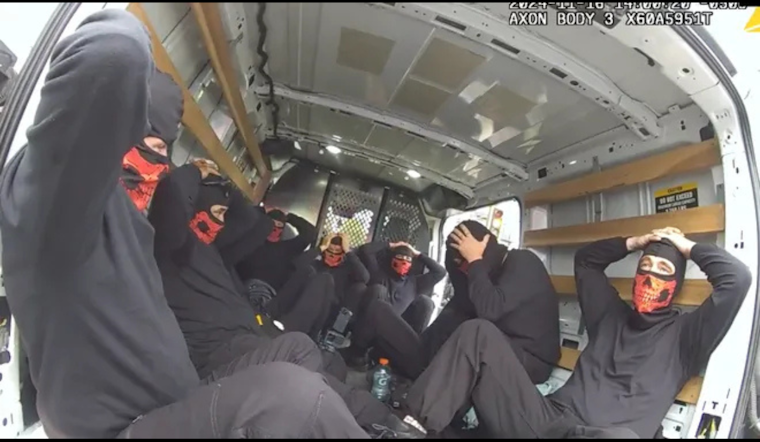
A group of neo-Nazis from Hate Club 1488 marched through Columbus, Ohio, displaying swastika flags and shouting racial epithets, eliciting widespread condemnation from local to national leaders. This occurrence, part of what seems to be a series of similar events, trends toward a disturbing escalation in the frequency and visibility of neo-Nazi demonstrations in the United States.
Both the mayor of Columbus and Ohio's Governor Mike DeWine labeled the display as vile, with Mayor Andrew Ginther emphasizing the city's stance against "hatred and bigotry," according to a report by CNN. The Anti-Defamation League (ADL) recognized these acts as consistent with an alarming trend of White supremacist incidents, stressing that they not only provoke fear but also serve as opportunities for hate groups to recruit and propagate online.
On the incident's day, no arrests were made, even though Columbus police arrived and engaged with the neo-Nazis post-march, as detailed in body cam footage. The marchers, who had their faces covered and were dressed in attire marked by neo-Nazi symbolism, claimed they were the victims of violence, asserting they experienced an unprecedented level of confrontation, as noted in a video provided by The Columbus Dispatch. Despite these claims, local organizers held a unity march the following day to counteract the hate group's narrative and reassert community solidarity.
WIRED detailed that the number of neo-Nazi rallies increased significantly over the past few years, positioning Trump's presidency as an opportunistic backdrop for these groups, even though they often downplay electoral politics. Various extremist groups use the current political climate to amplify their visibility and influence, competing for resources and recruits. This has set the stage for an increased number of hate-fueled incidents and rallies, including in Ohio and other states, like a series of aggressive acts targeting immigrants and other minority groups.




