

























































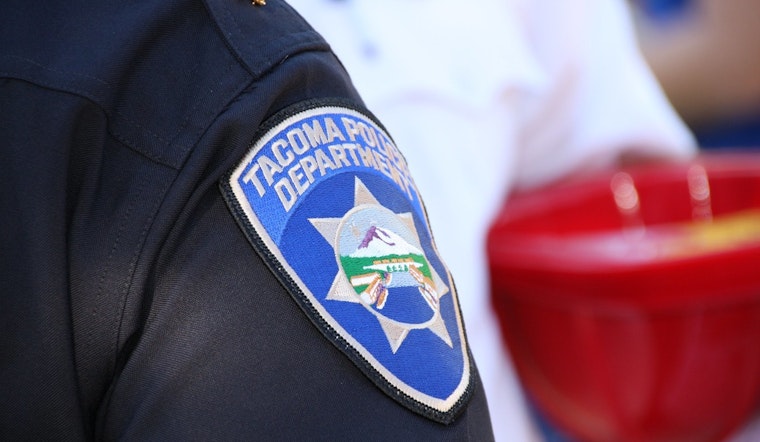
The Tacoma Police Department is reporting some positive strides with its nascent Community Service Officer (CSO) program, per a recent update. The department showcased how the CSOs—civilian staff that handle non-emergency calls—have been effectively freeing up cops to deal with more serious issues. According to their briefing, the unarmed CSOs have logged more than 1,300 hours and responded to upwards of 770 calls since the program launched a half-year back, as described in an official update from the City of Tacoma.
These officers have been trained specifically to quickly and efficiently handle the less serious situations they're dispatched to. This has consequently brought down the response times for these types of incidents, which allows sworn officers to concentrate more on higher-priority calls. In essence, the CSOs are providing exactly the kind of support they were supposed to—as an integral part of the department's Alternative Response strategy to bolster community safety.
Notably, the CSOs aren't just riding desks. They operate clearly marked vehicles, wear professional uniforms, and work intensively out in the community. A video spotlighting the program was featured during today's briefing to the City Council. The clip is available for the general public's viewing and gives a face to the men and women behind these efforts on the Tacoma in Action website.
The program's highlights include the CSOs' ability to now independently serve in the field and the fact that peak service times have been pinned down to Monday through Wednesday from 8 AM to 3 PM, which supposedly helps to optimally allocate resources when they're needed most. De-escalation techniques and self-defense are part of the training regimen, preparing CSOs to adapt and meet the community's evolving requirements. This integrated public safety approach seems to functionally complement the work of Tacoma's full-on police officers.
Despite the successes, it's worth noting that expansion of the CSO workforce is temporarily on hold while operational reviews take place. But regardless, it seems clear that the CSO program is set to continue playing a significant role in Tacoma's public safety and community engagement plans moving forward.





