

























































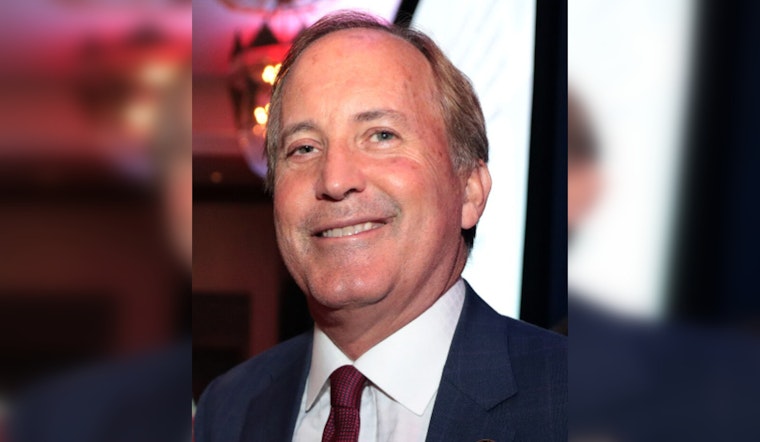
In an escalating dispute regarding transgender athletes in college sports, Texas Attorney General Ken Paxton has launched a lawsuit against the (NCAA), with allegations that the organization has been deceptive by enabling transgender women to compete in events labeled as women's sports. As mentioned by KSAT, Paxton claims that this practice infringes on the Texas Deceptive Trade Practices Act by misleading those supporters who expect women's sporting events to exclusively feature athletes assigned female at birth.
Further augmenting his accusations, Paxton has criticized the National Collegiate Athletic Association for not explicitly identifying transgender athletes and contends that the inclusion of such athletes in women's sports jeopardizes their safety and wellbeing, "Radical ‘gender theory’ has no place in college sports," Paxton stated in a news release, a detail noted by RawStory. In response, the National Collegiate Athletic Association refrained from directly addressing Paxton's lawsuit but emphasized their ongoing commitment to women's sports, as per a statement from National Collegiate Athletic Association communications director Michelle Brutlag Hosick that said, "The Association and its members will continue to promote Title IX, make unprecedented investments in women’s sports and ensure fair competition in all NCAA championships."
According to KSAT's report, this legal action follows recent congressional scrutiny of the National Collegiate Athletic Association, with President Charlie Baker having been questioned by the Senate Judiciary Committee earlier in the week regarding the organization's policies on transgender athlete participation. Baker acknowledged the presence of fewer than 10 transgender athletes out of more than 500,000 within National Collegiate Athletic Association-affiliated institutions.
The debate over transgender athletes in sports has burgeoned into a flashpoint, particularly among Republicans who have prioritized opposition in their political platforms, some Democratic candidates did express disagreement with the inclusion of transgender athletes in women's sports, and with President-elect Donald Trump ascending to victory there have been increased calls within the Democratic Party to reevaluate its stance on socially charged issues like transgender rights, this context further infused by RawStory. Remaining in the backdrop of this contentious subject is the Biden administration's recent retraction of a proposed Title IX rule that sought to shield transgender athletes from outright bans, while permitting some limitations, a move shaped by voluminous public feedback and ongoing legal battles.
Against this contentious political and social backdrop, Texas itself enacted legislation last year barring transgender athletes from college team participation in alignment with their gender identity, as disclosed by both KSAT and RawStory. As these legal and cultural collisions unfold, entities and individuals across the spectrum of opinion will no doubt continue to watch for the impacts that such cases will have on sports, education, and civil rights.





