

























































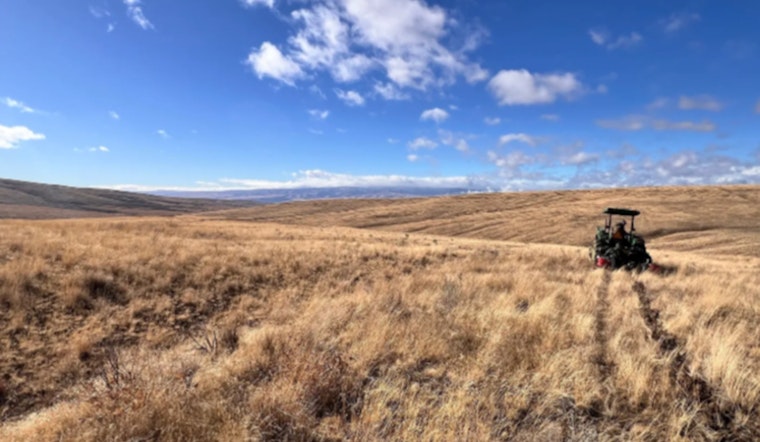
In the wake of destruction left by wildfires, Washington State has witnessed an inspiring display of unity and restoration through the collaborative efforts to rehabilitate its vital sagebrush habitats in North Central Washington – an undertaking crucial for the survival of wildlife and the health of local ecosystems. According to a report by the Washington Department of Fish and Wildlife (WDFW), there have been two substantial sagebrush restoration projects this fall in Douglas and Grant Counties, aiming to breathe life back into the land.
The urgency of these projects became clear after the damage done by the Road 11 and Sutherland Canyon wildfires, and while such calamities often paint a grim picture, WDFW's initiative tells a story of resilience and cooperation; over 9,500 sagebrush plugs have been strategically reintroduced across hundreds of acres with the help of planting machines and manual labor, and all of this was accomplished with vital contributions from local landowners like Jacobsen Farms and organizations including Pheasants Forever, which funded plant materials with an $18,000 wildfire grant, the WDFW noted on their blog.
The growing frequency of wildfires emphasizes the necessity for continued collaboration. Indeed, WDFW has joined forces with NRCS and USFWS, amongst others, ensuring that the newly planted sagebrush thrives—and Eric Braaten, a Private Lands Biologist with over three decades of experience said, "These projects showcase how private landowners play a critical role in habitat restoration," revealing the shared responsibility and potential for success when communities and experts pull together.





