

























































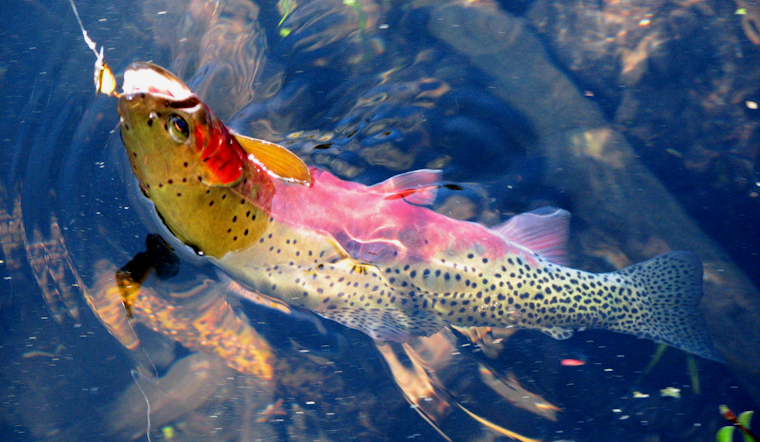
Anglers and conservationists alike, take note—the Washington Department of Fish and Wildlife (WDFW) is welcoming the public to weigh in on managing the future of resident native trout. A virtual town hall is set for Jan. 9, 2025, to discuss the first draft of the resident native trout harvest management policy and gather public input, as reported on the WDFW website. This online session marks the third of such meetings aimed at bolstering public engagement in policy development.
The meet-up is scheduled for Thursday at 6 p.m. and registration is required for all who wishes to attend. This interactive approach allows community members, especially those with a vested interest in fishing and wildlife preservation, an opportunity to voice their thoughts and shape the policy. The January session will be recorded and additional chances to comment will be posted on the WDFW native trout policy webpage as the policy evolves.
"The draft policy prioritizes science-based conservation principles while providing diverse and sustainable fishing opportunity," Steve Caromile, WDFW’s inland fish program manager, outlined in a statement. He further emphasized the department’s commitment to incorporating public sentiment through the ongoing dialogue: "We’ve listened to public feedback throughout this process and look forward to continued conversations about the draft during the January town hall."
Stakeholders are encouraged to register for the upcoming town hall and to bookmark the page for future engagement. Besides the virtual town halls, individuals also can submit comments or suggestions online, all in an effort to ensure a broad and representative range of perspectives. The WDFW's mission, to preserve and perpetuate not only the fish but the very ecosystems they inhabit, calls for collaborative and informed stewardship—a tenant central to their outreach initiatives.
Inclusivity is a cornerstone of the WDFW’s outreach, as they invite participation from all members of the public, "regardless of race, color, sex, age, national origin, language proficiency, religion, sexual orientation, gender identity and/or expression, status as a veteran, or the basis of disability." This inclusive approach underscores the WDFW's commitment to working with communities to sustain the rich natural heritage of Washington for both recreational and commercial purposes.




